

BASED OUT OF PENNSYLVANIA. AVAILABLE FOR TRAVEL
mg
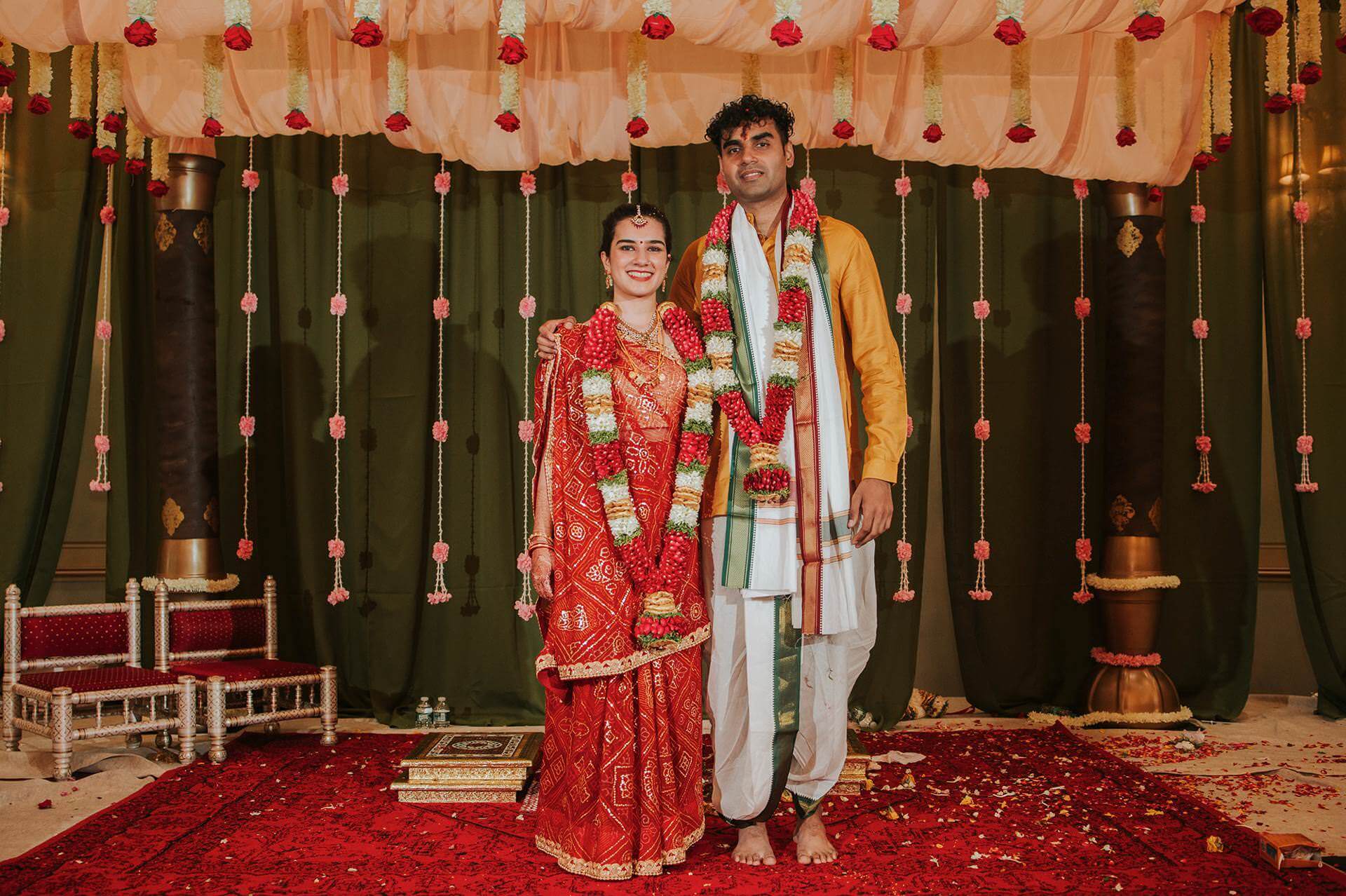

Where Rhythm Meets Ritual — A South Indian Hindu Wedding at Hindu Samaj Temple, Mahwah NJ
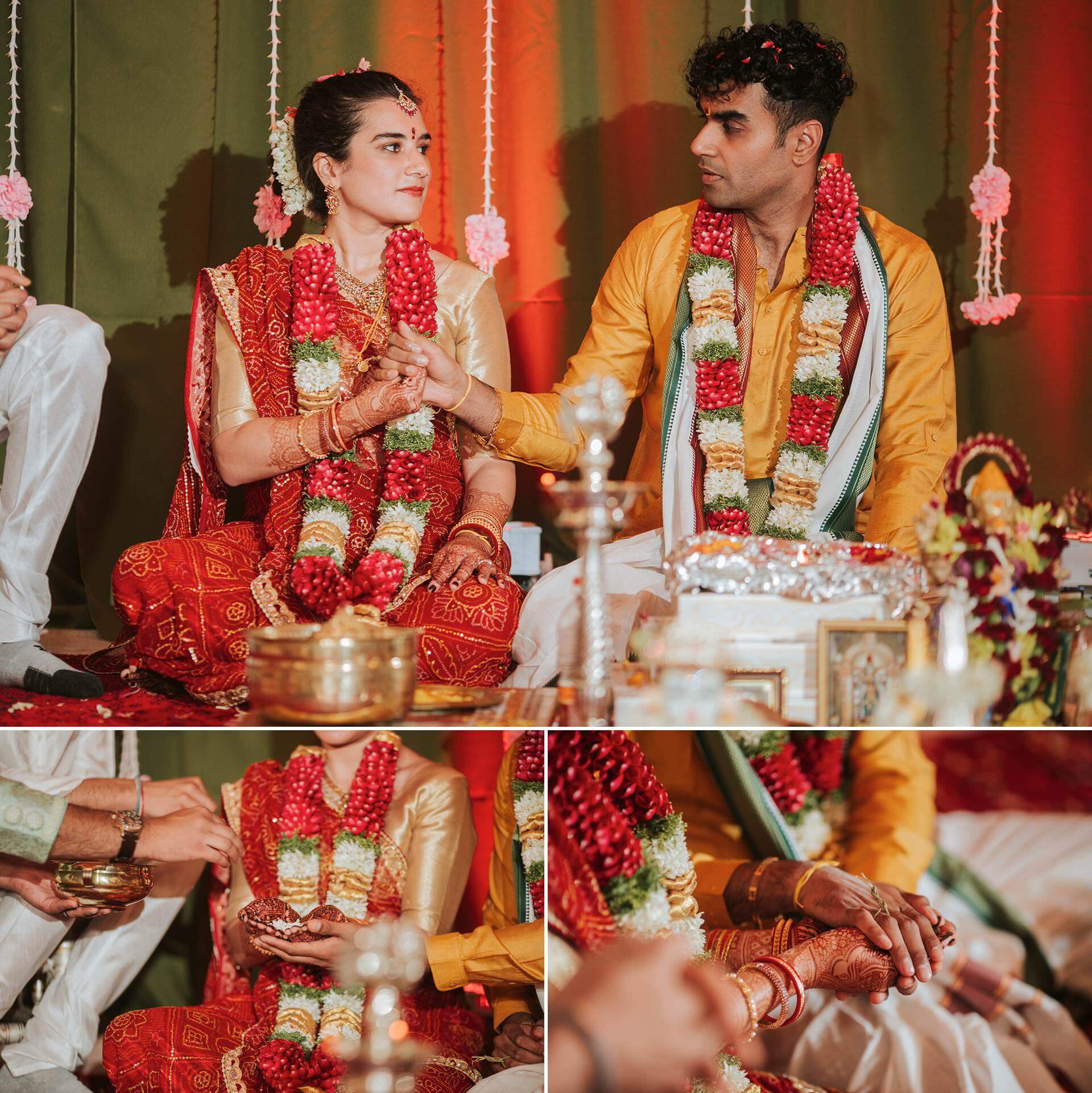
The Hindu Samaj Temple of Mahwah carries its own quiet authority. From the moment guests arrived, the atmosphere had already settled into something ceremonial — not stiff, not performative, but genuinely sacred. Marigold and jasmine. The low hum of preparation. Families reuniting, laughter moving through the corridors like a second language.
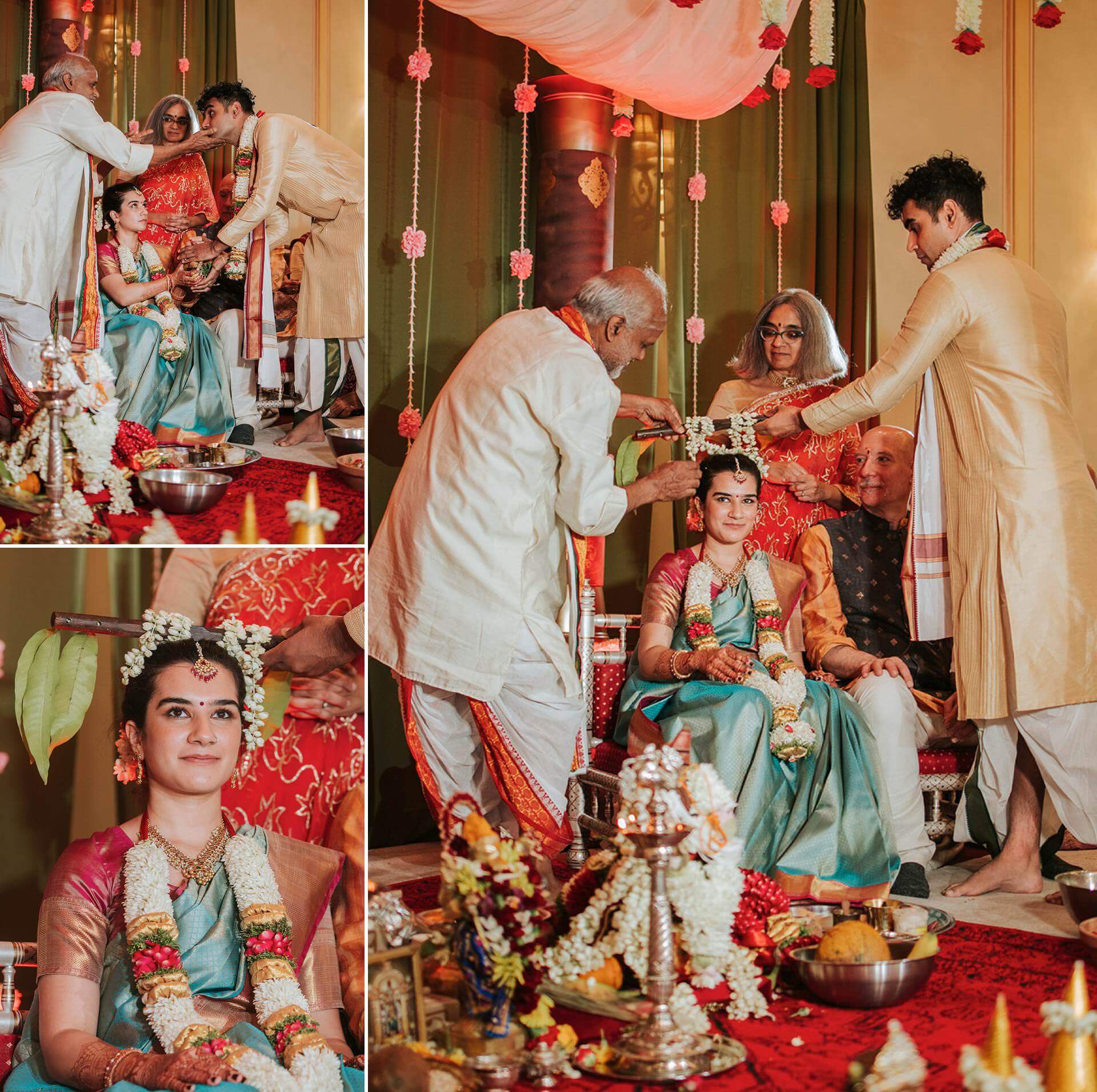
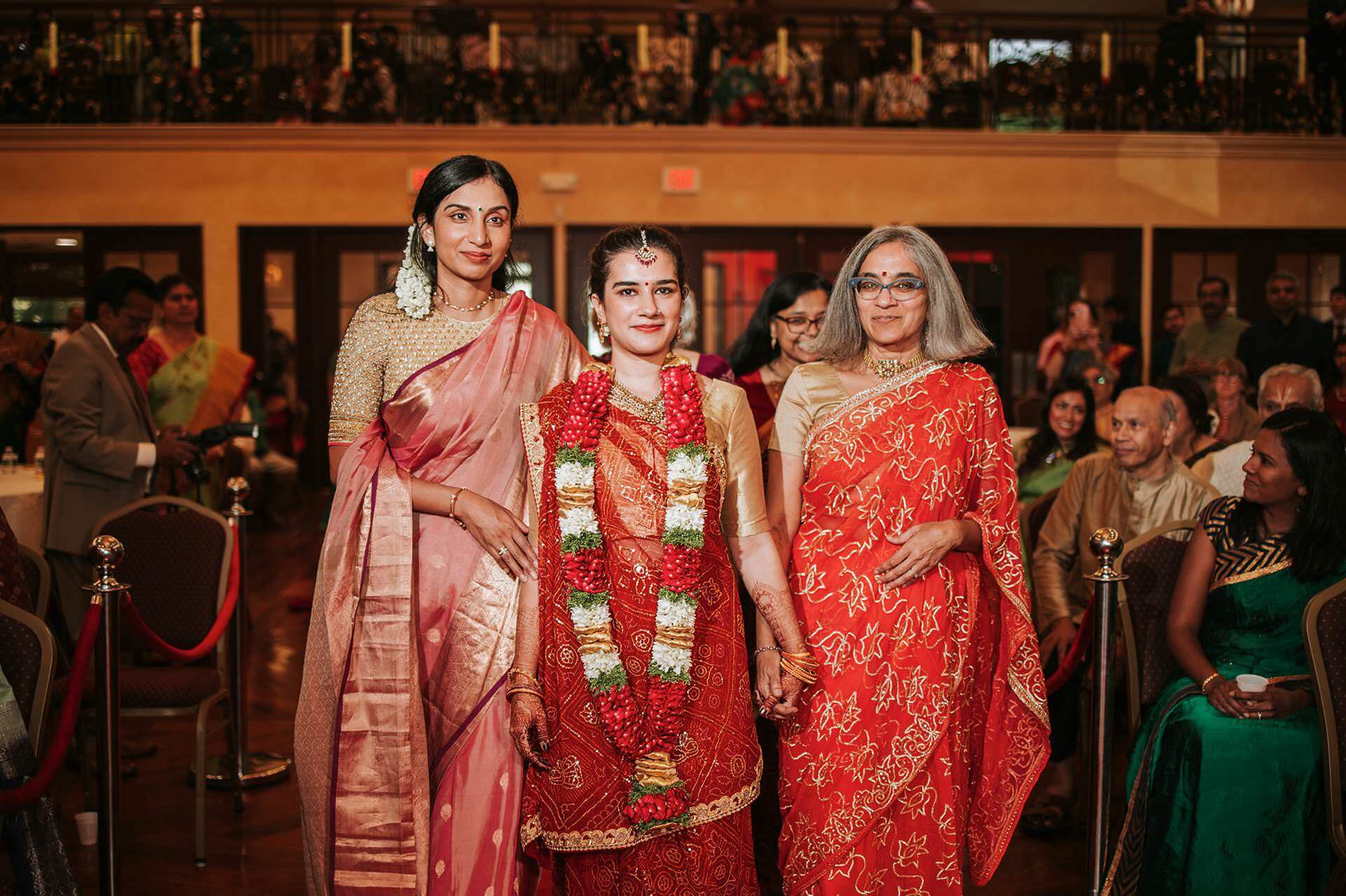
Devi was extraordinary to document. Effortless and considered — the kind of bridal presence that doesn’t announce itself because it doesn’t need to. She moved through each ritual with grace and absolute certainty.
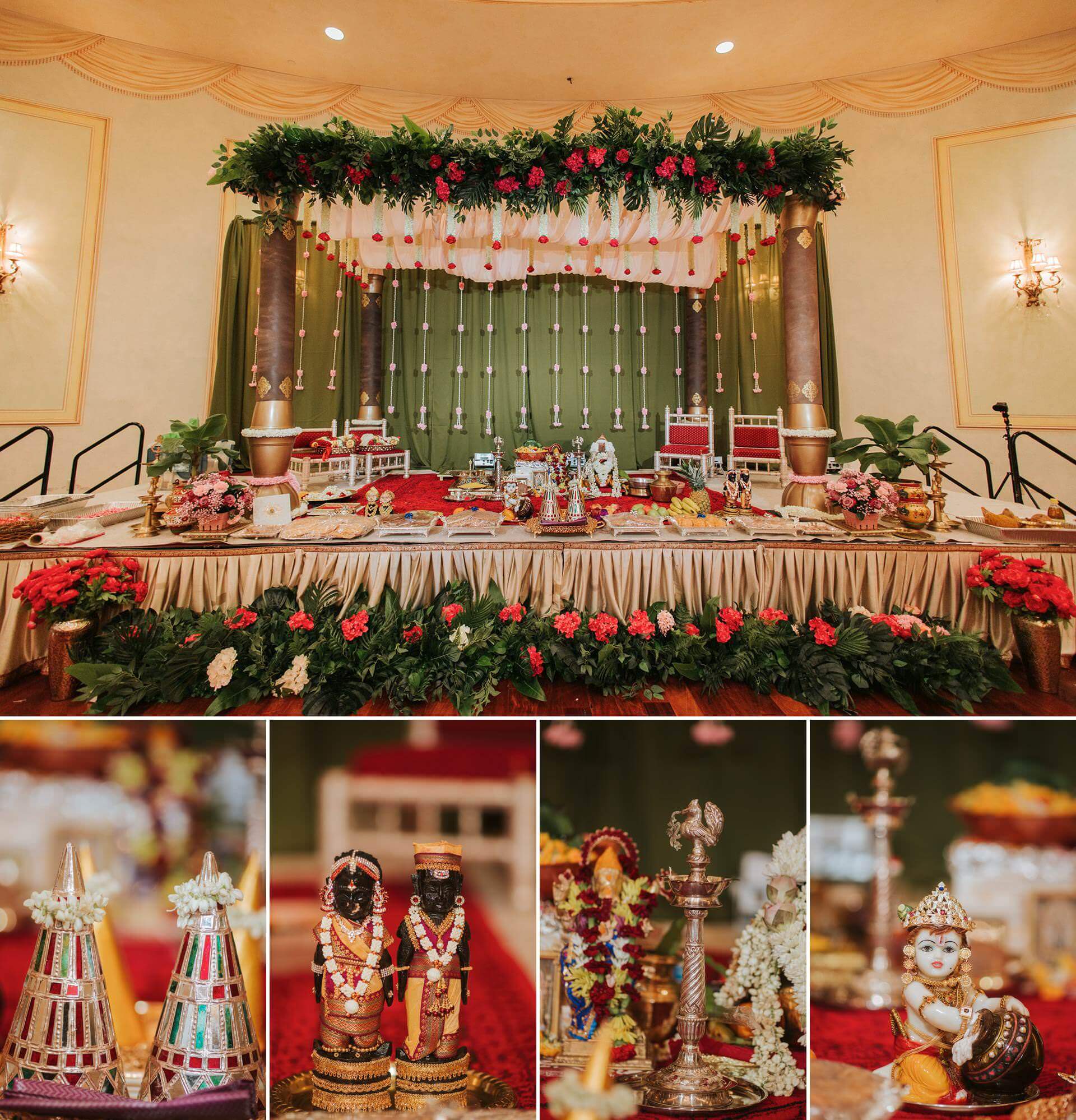
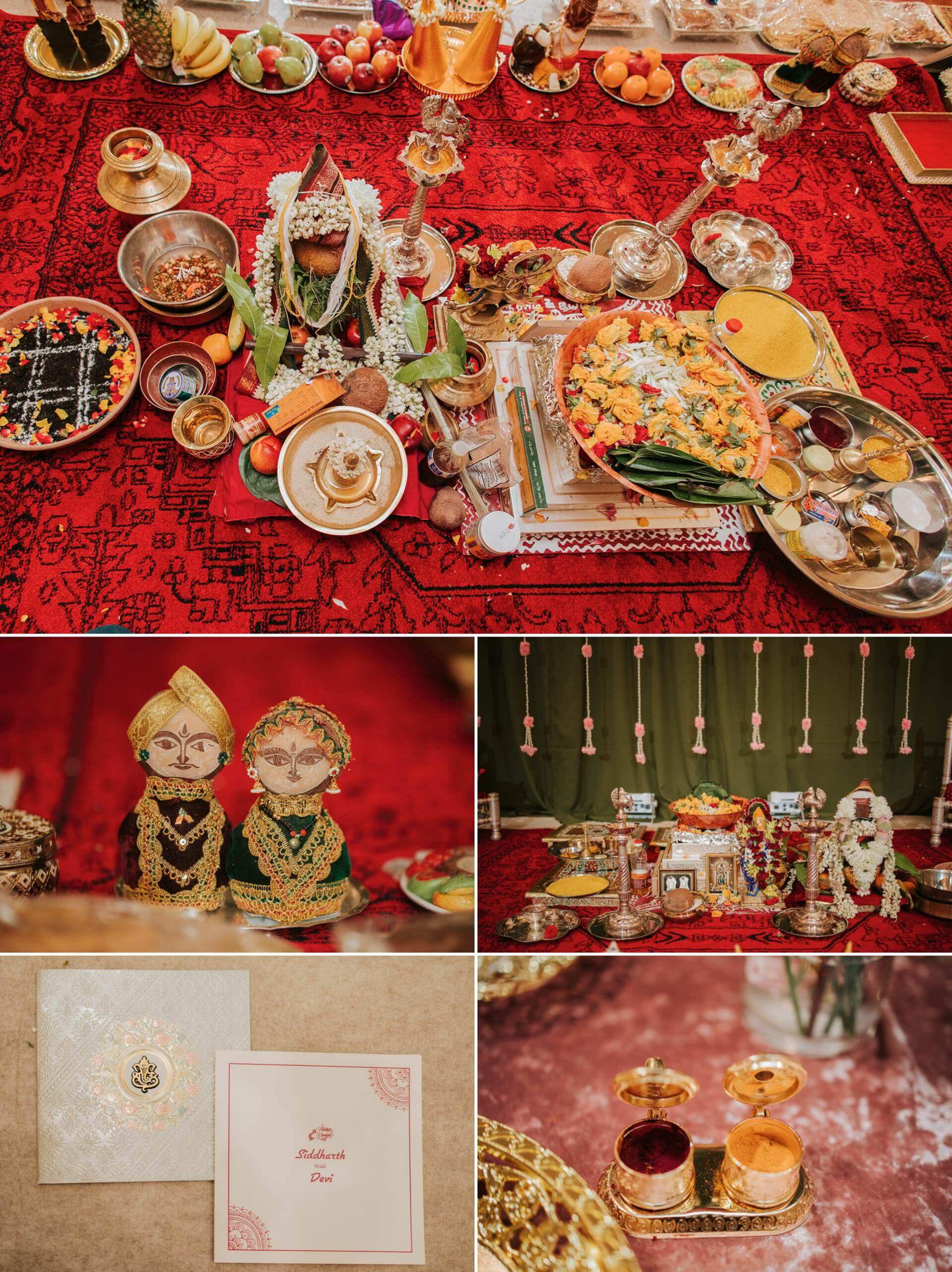
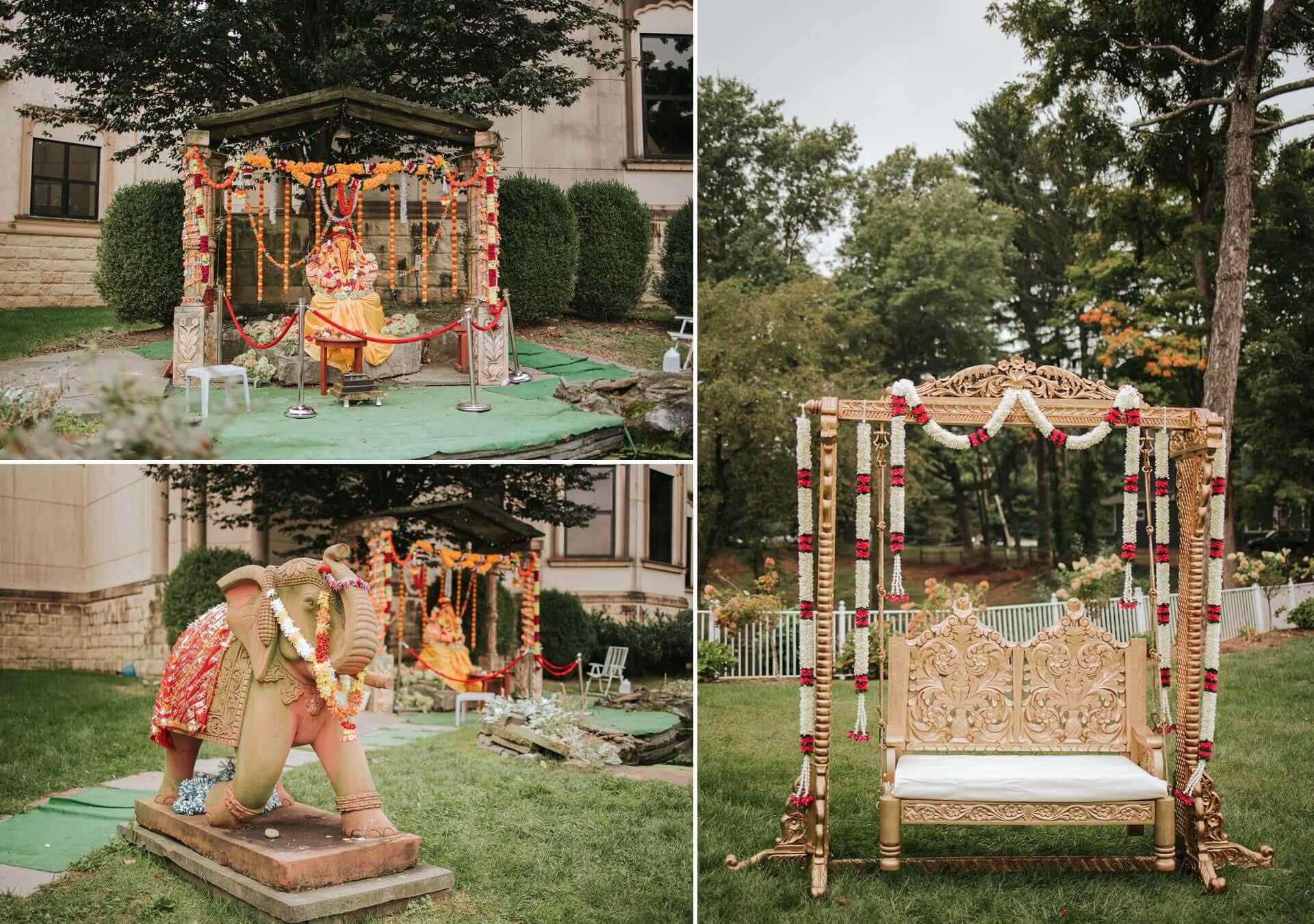
The Hindu Samaj Temple of Mahwah carries its own quiet authority. From the moment guests arrived, the atmosphere had already settled into something ceremonial — not stiff, not performative, but genuinely sacred. Marigold and jasmine. The low hum of preparation. Families reuniting, laughter moving through the corridors like a second language.
Devi was extraordinary to document. Effortless and considered — the kind of bridal presence that doesn’t announce itself because it doesn’t need to. She moved through each ritual with grace and absolute certainty.
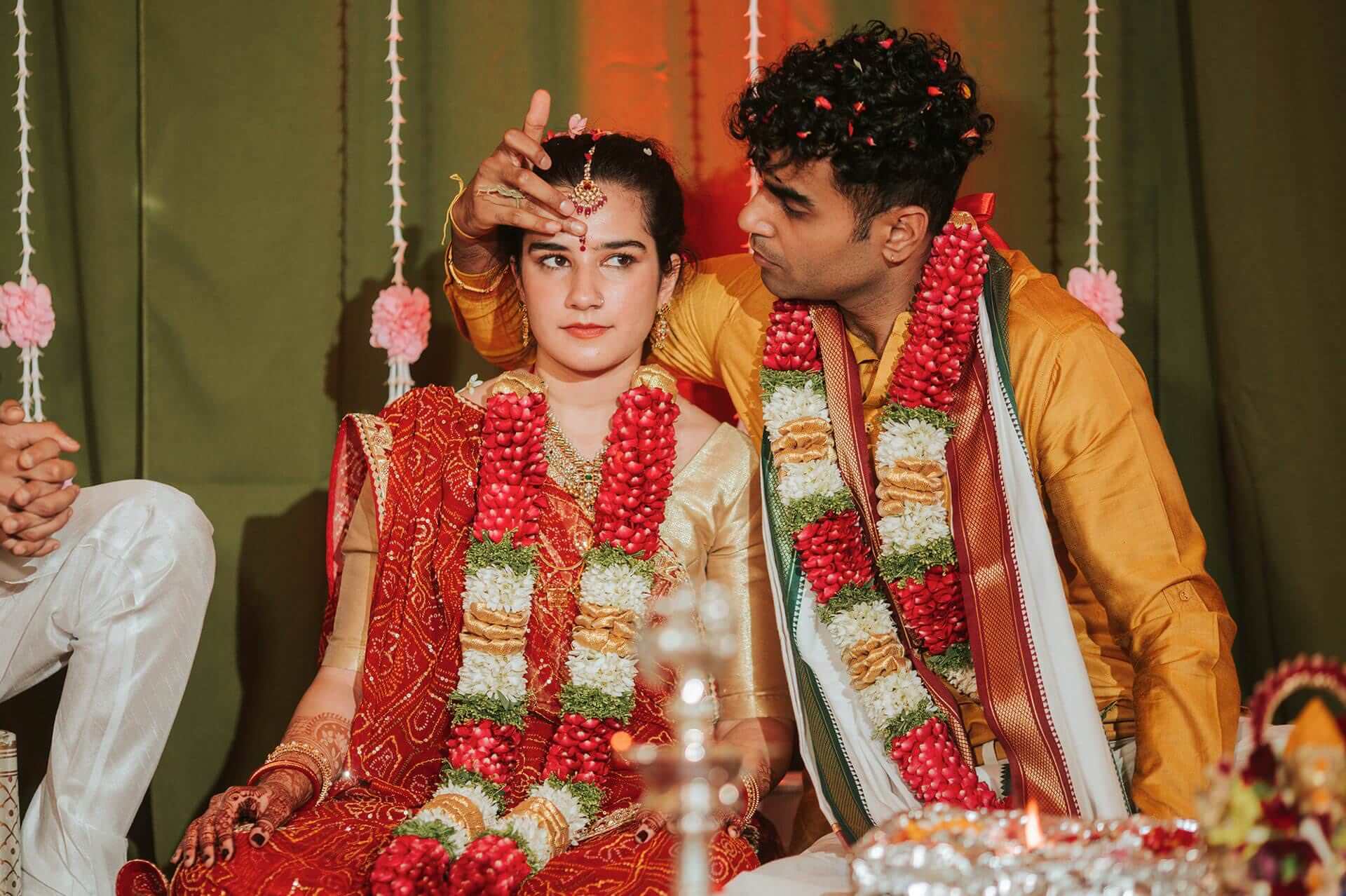
Sid, for his part, was grounded in a way that felt rare — though, knowing him, it did not surprise me. Some grooms endure their wedding day with good humor and gratitude. Sid seemed to actually understand where he was standing and why — within the sacred walls of the Hindu Samaj Temple, surrounded by generations of family, every ritual fully received.
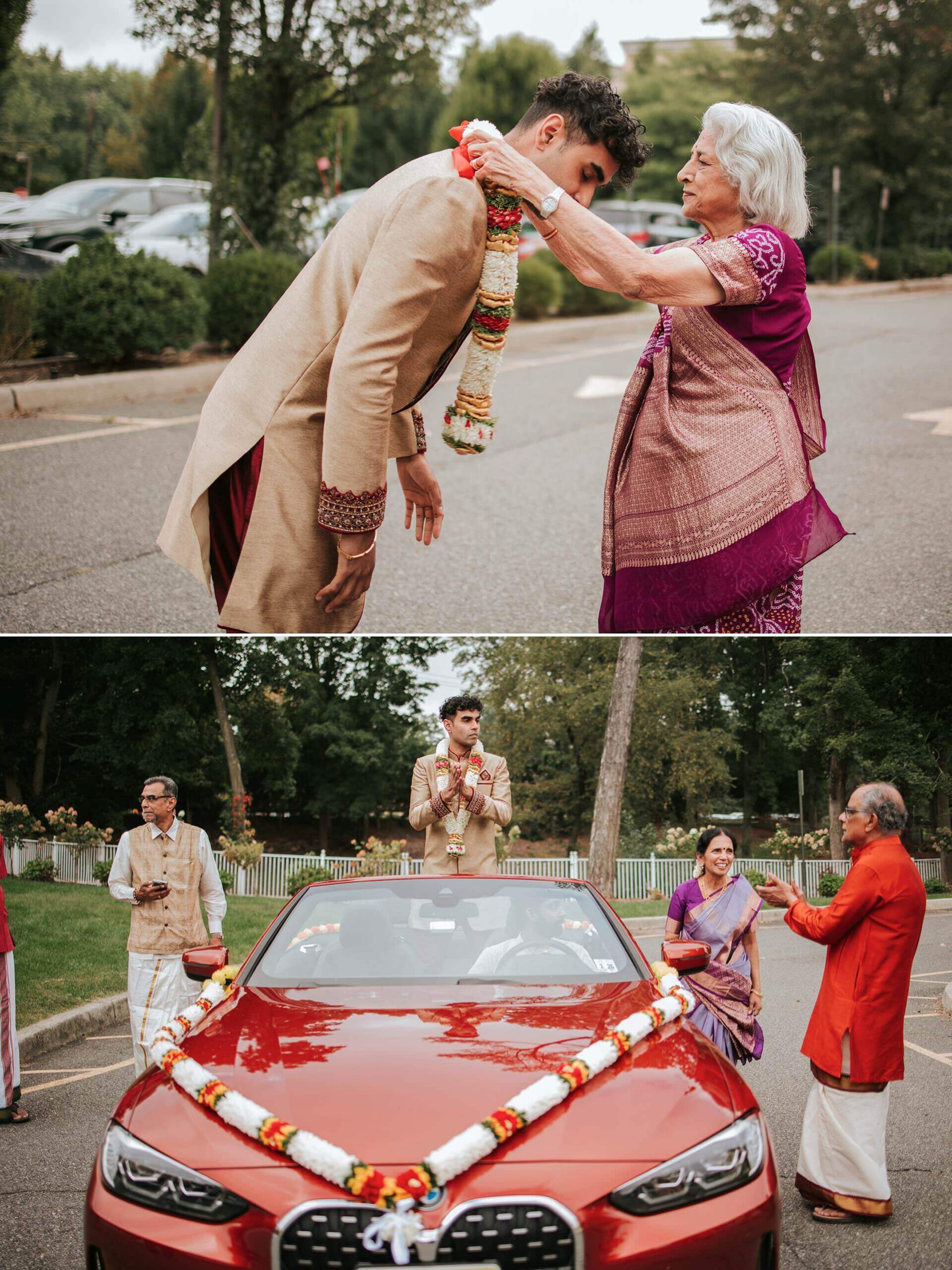
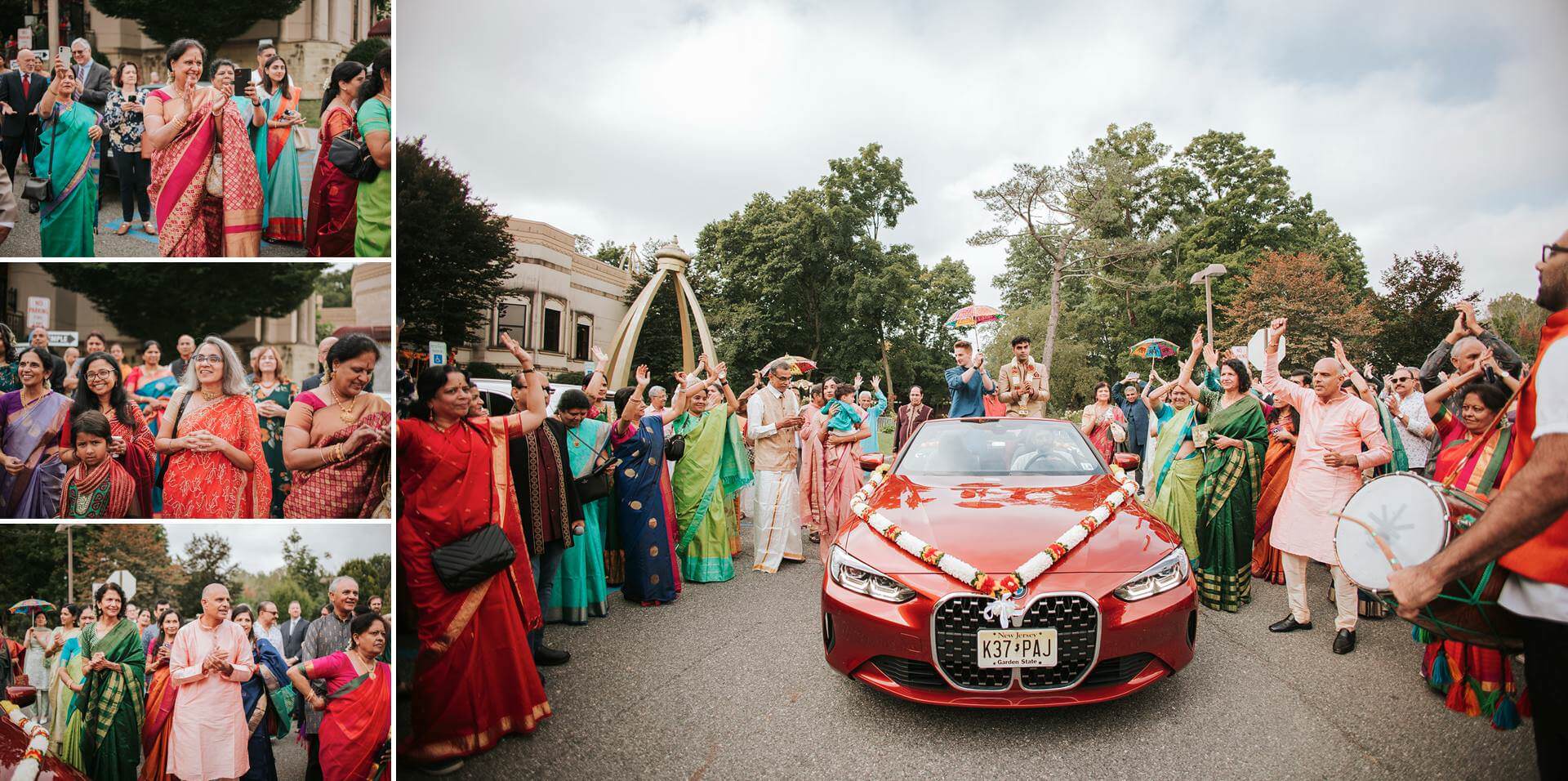
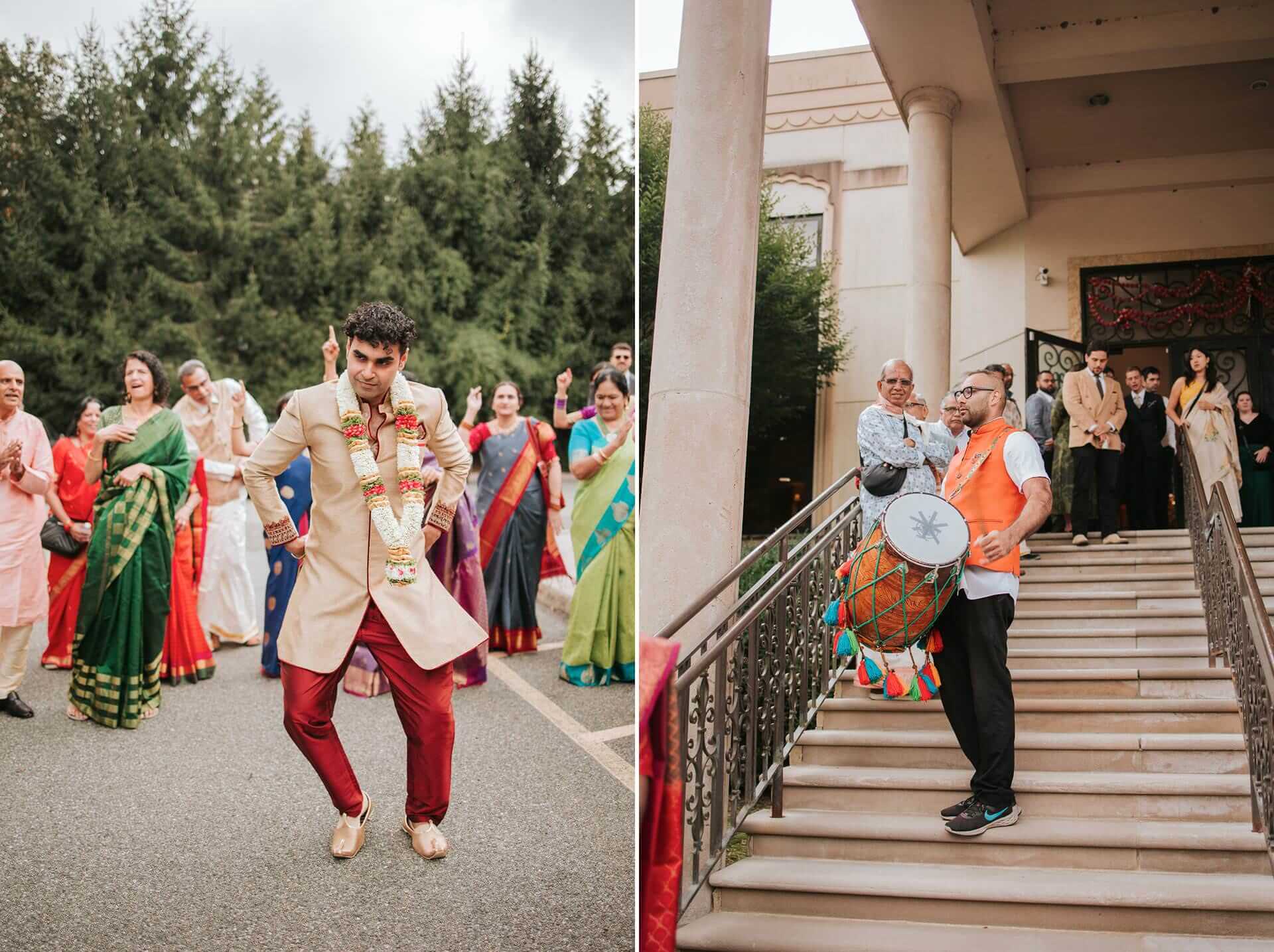
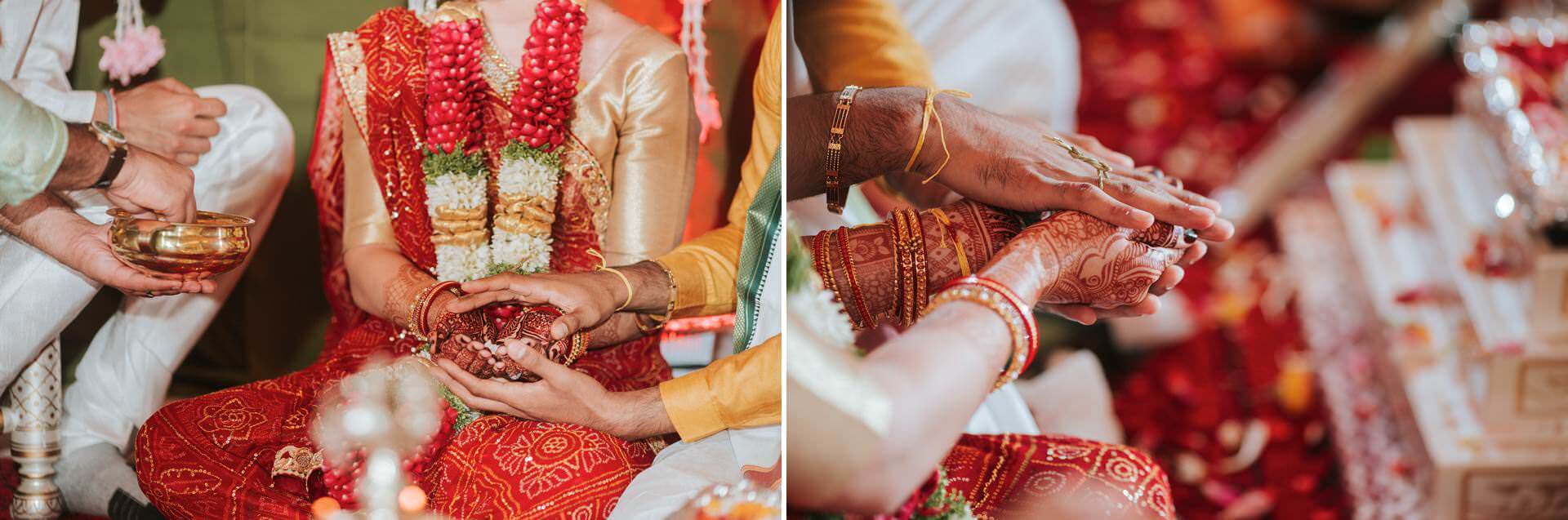
South Indian wedding traditions carry a particular visual and emotional richness. The ceremonies are layered, deliberate, and deeply choreographed by generations of meaning. The exchange of garlands — the maalai maatral — drew laughter and gentle competition from the families watching, the kind of joyful chaos that erupts when everyone in the room knows exactly what they’re supposed to feel. The saptapadi, the seven steps taken together around the sacred fire, was something else entirely. Seven promises. Seven circles. Each one is quieter and more concentrated than the last. 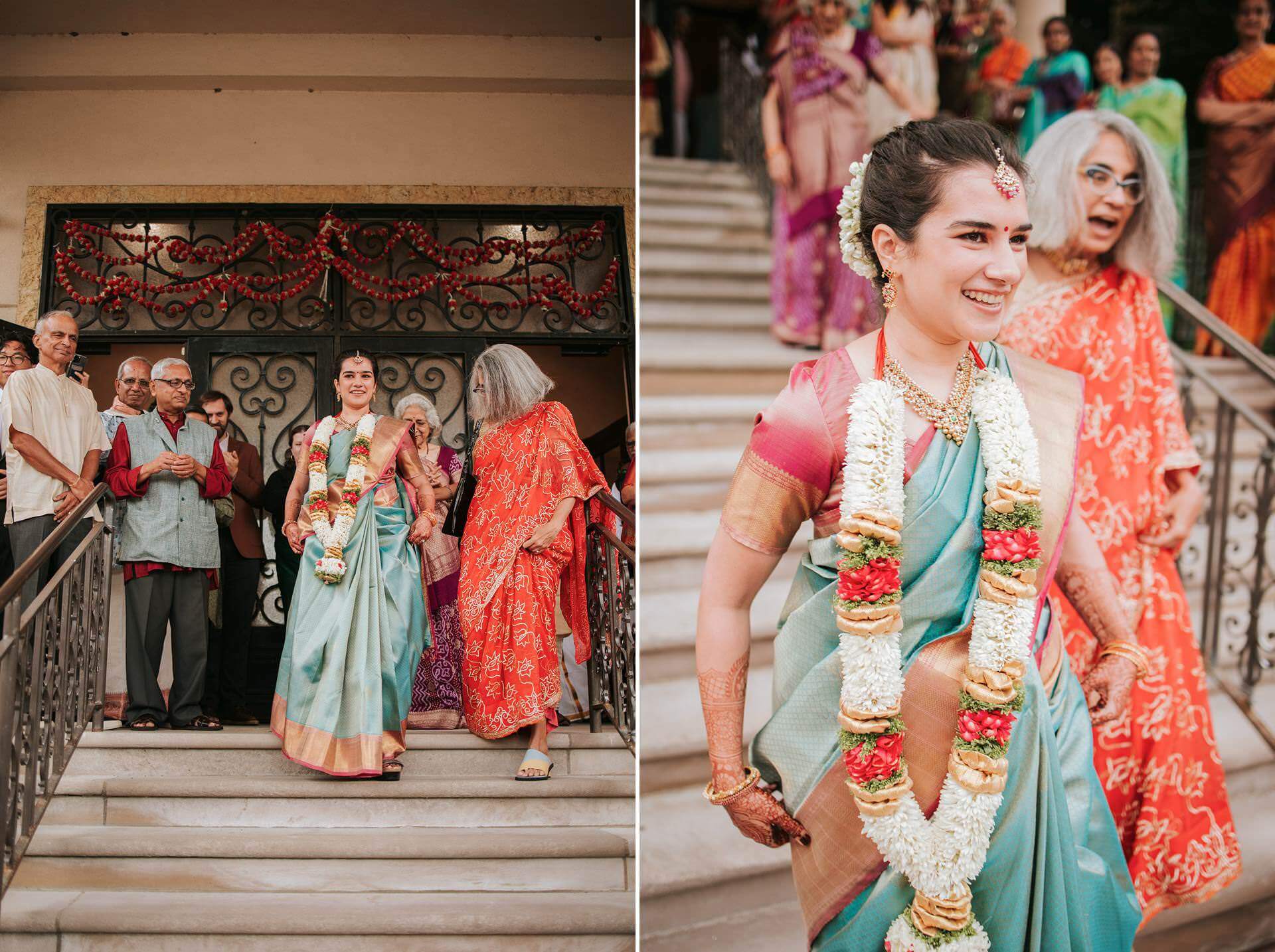
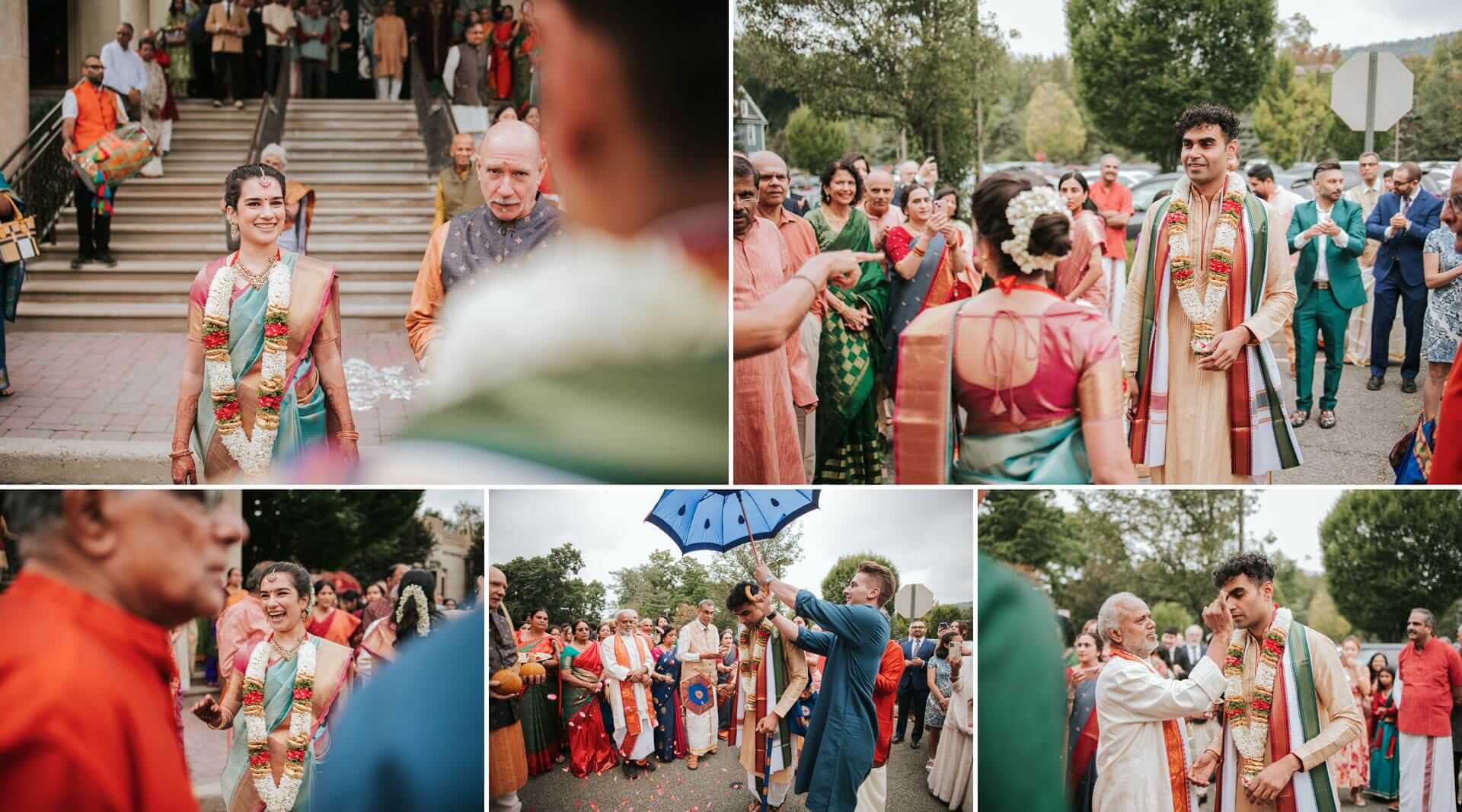
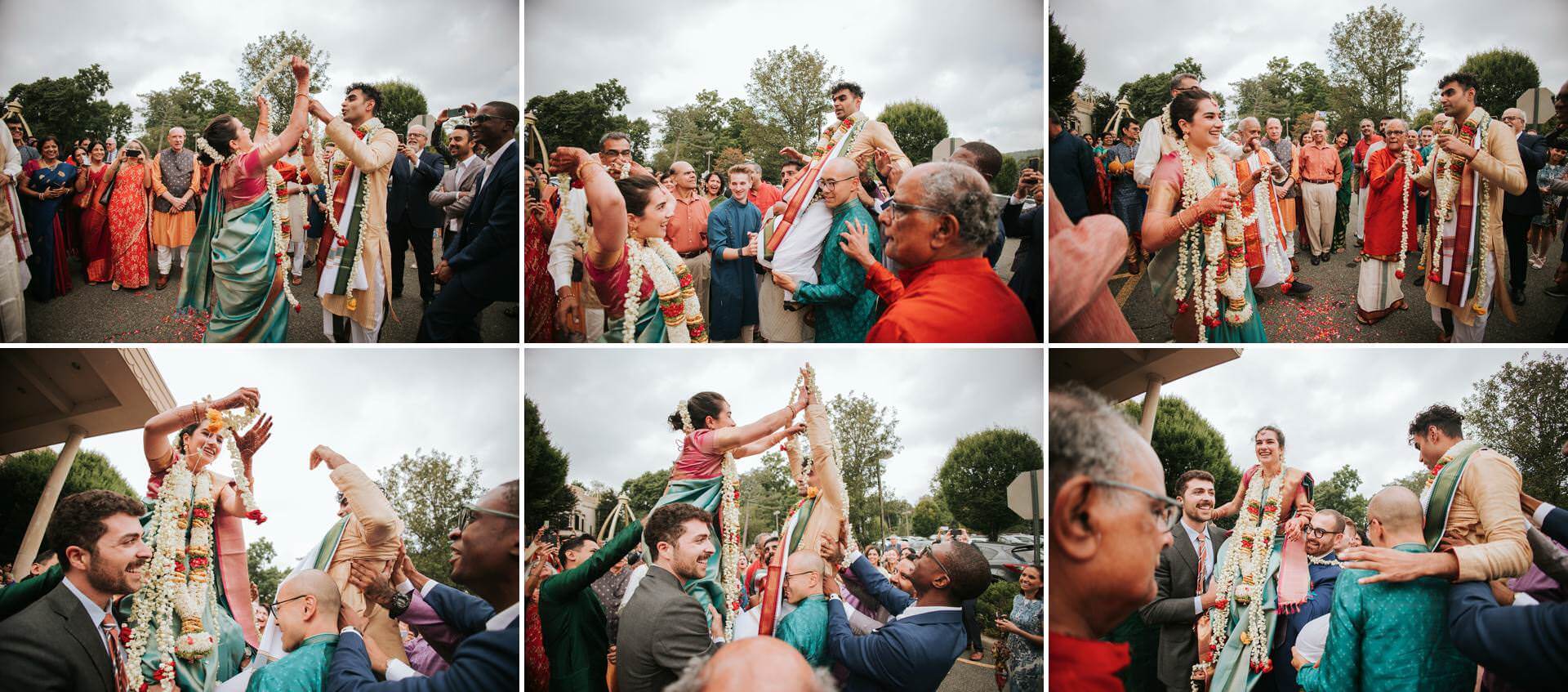
Hindu ceremonies hold space for both the communal and the intimate simultaneously. There is always family — present, loud, loving, involved. And yet, within all of that, there are small private moments between two people that surface quietly if you’re still enough to notice. A look exchanged during a Sanskrit recitation. A hand held just a beat longer than the ritual requires. 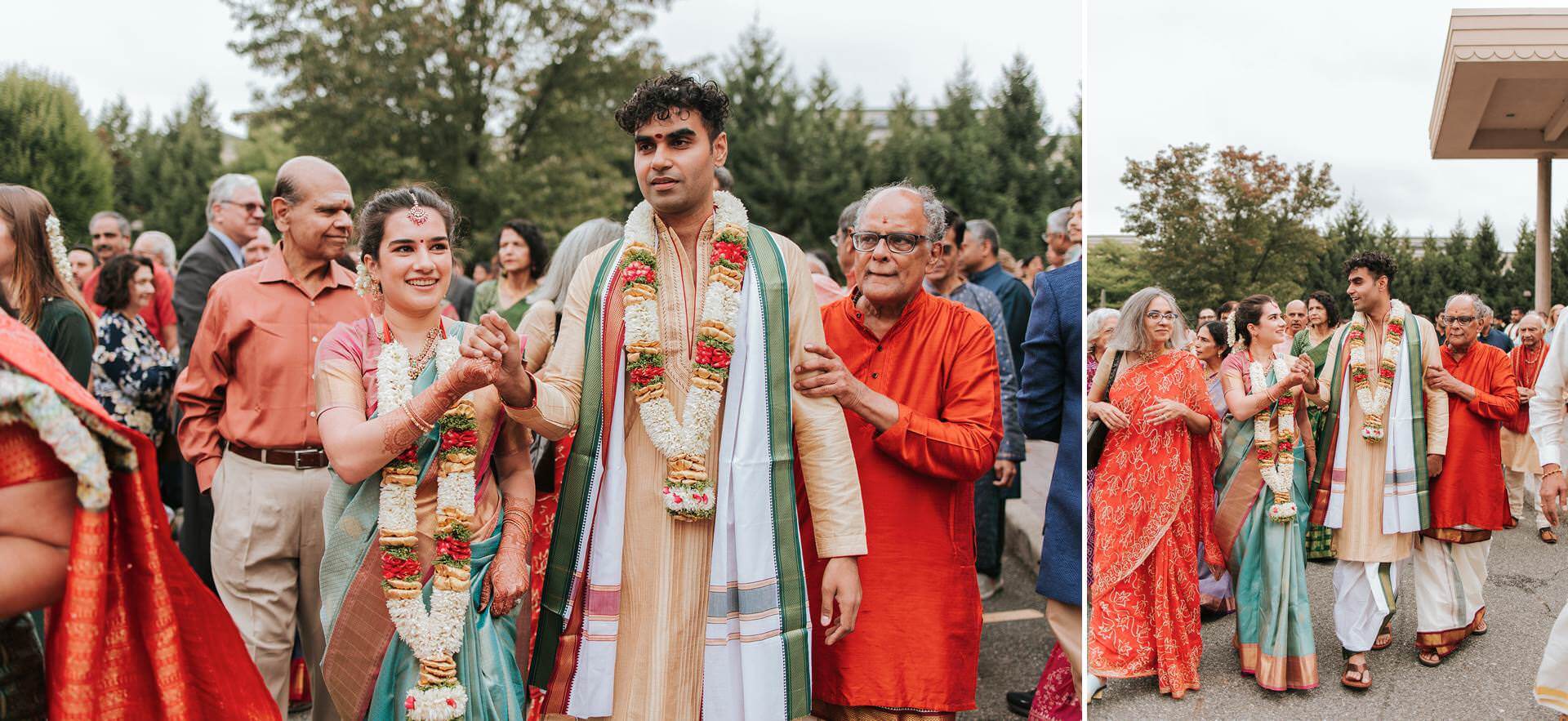
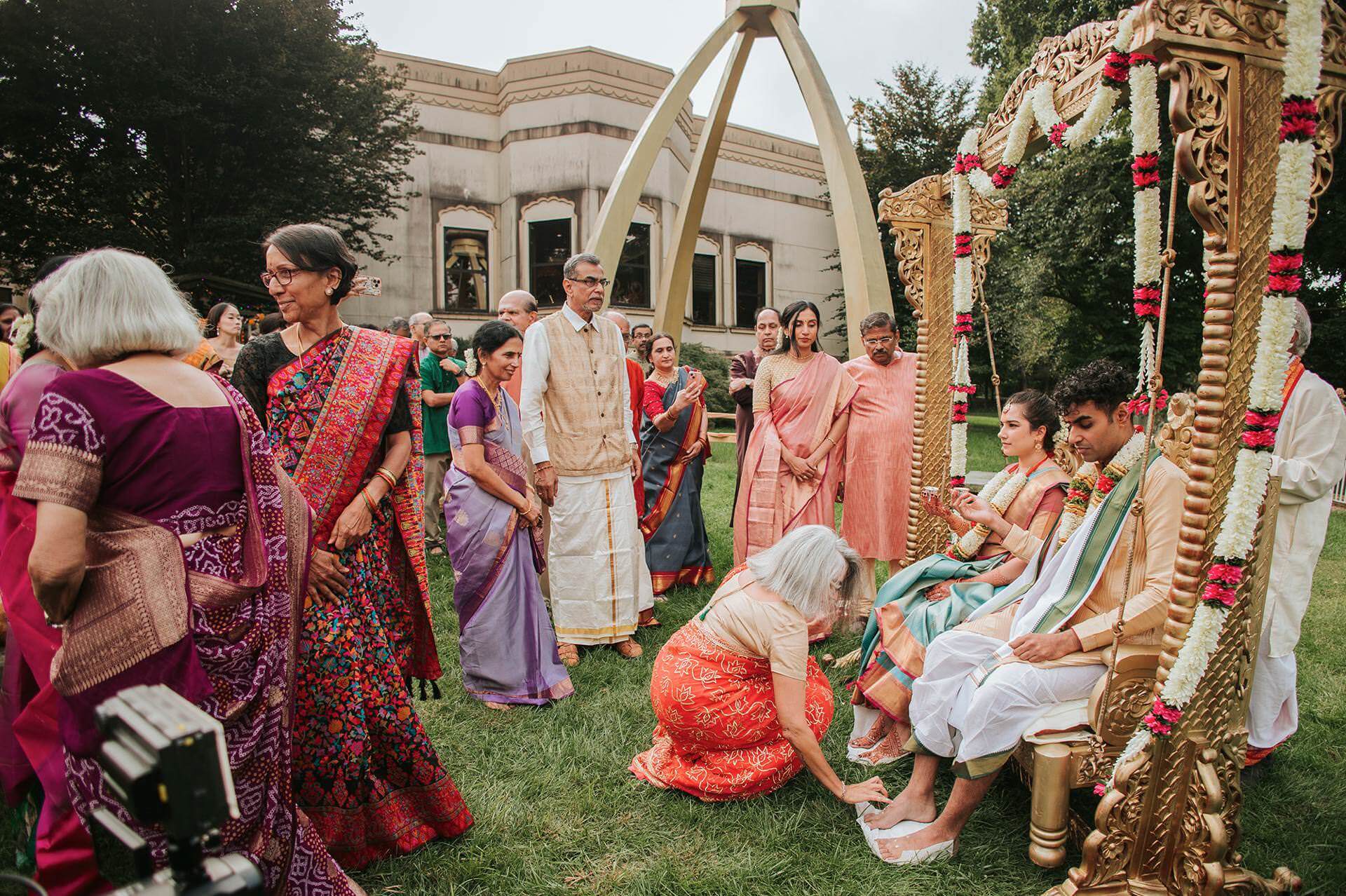
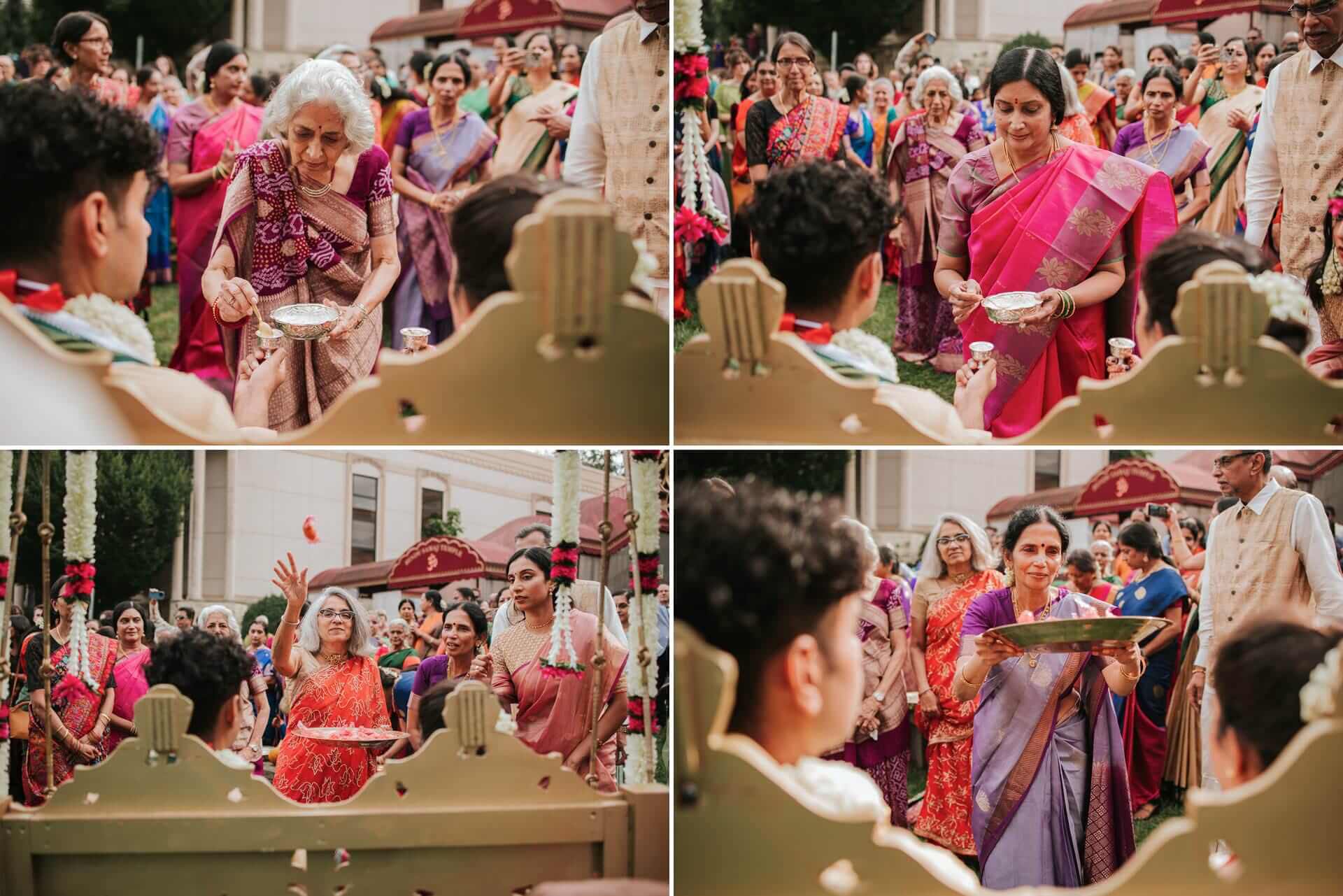
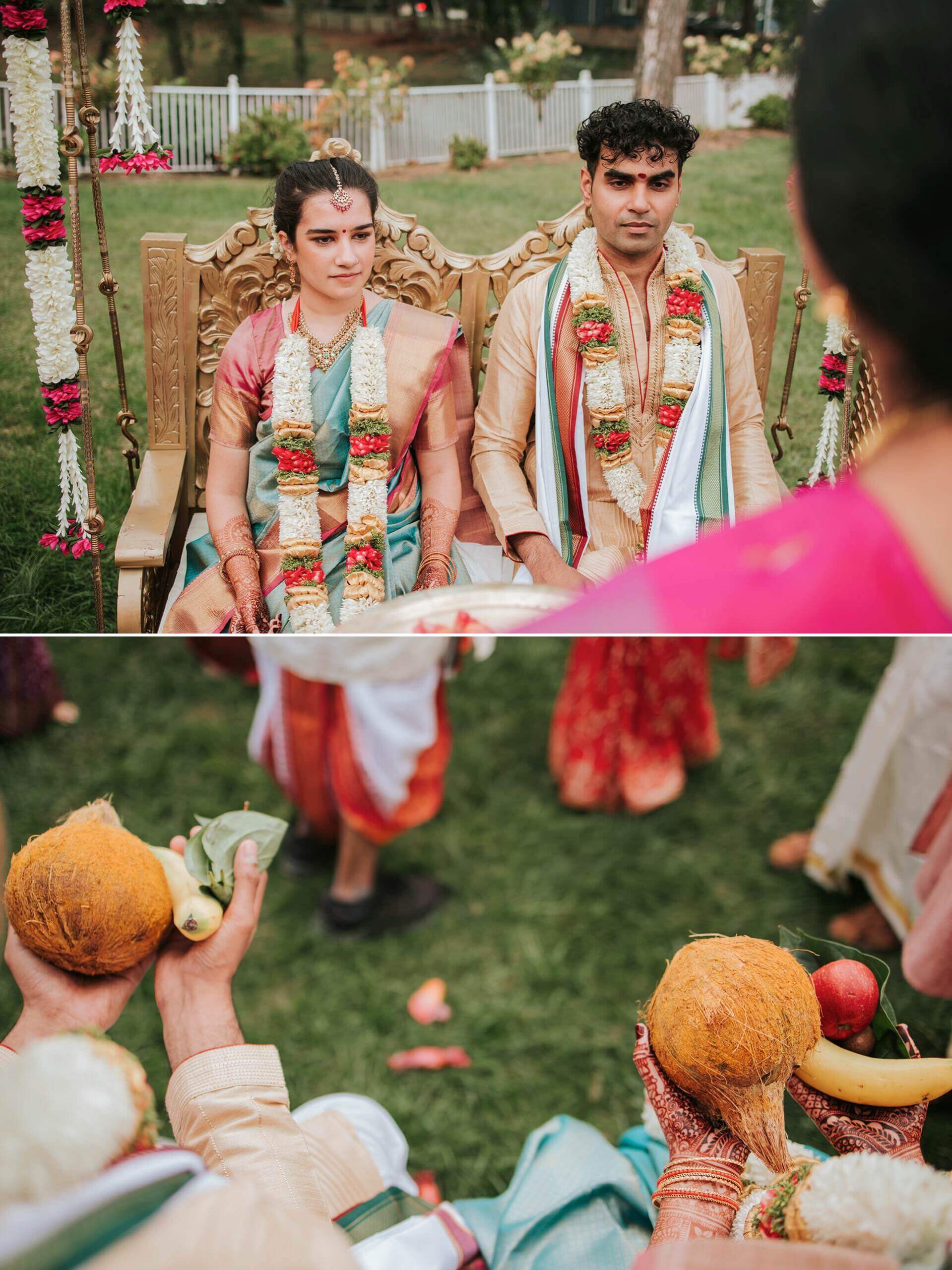
Devi and Sid are musicians. Sid’s carnatic violin and Devi’s sitar are not casual pursuits — they are devotional ones, disciplines that ask you to show up fully, to honor the structure of what came before you while finding your own voice within it. Their wedding at Hindu Samaj Temple had that same quality. Nobody seemed to be in a hurry. The rituals breathed. The priest moved through the ceremonies with care. The families leaned in. And the two of them — at the center of all of it — held steady. 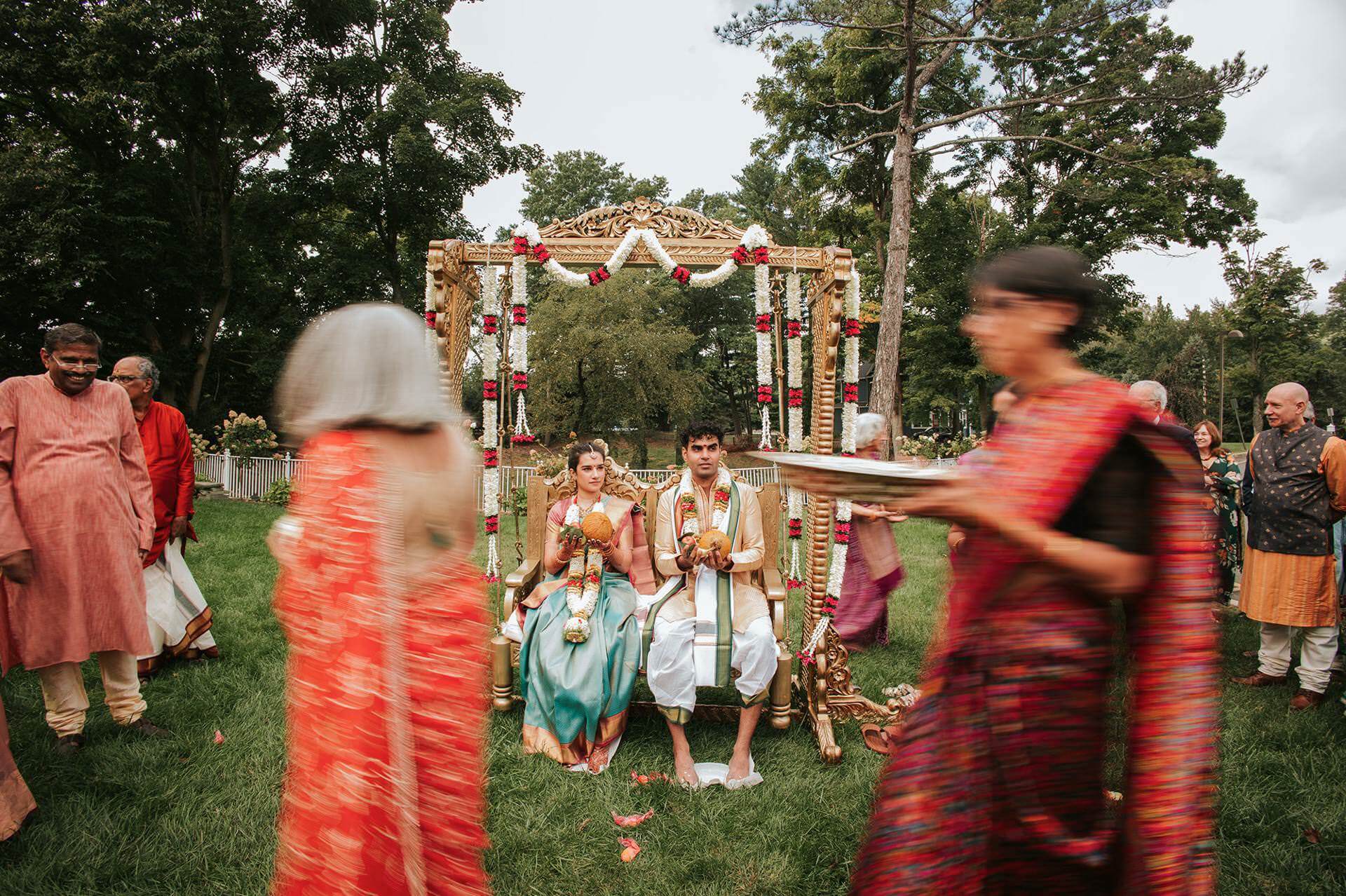
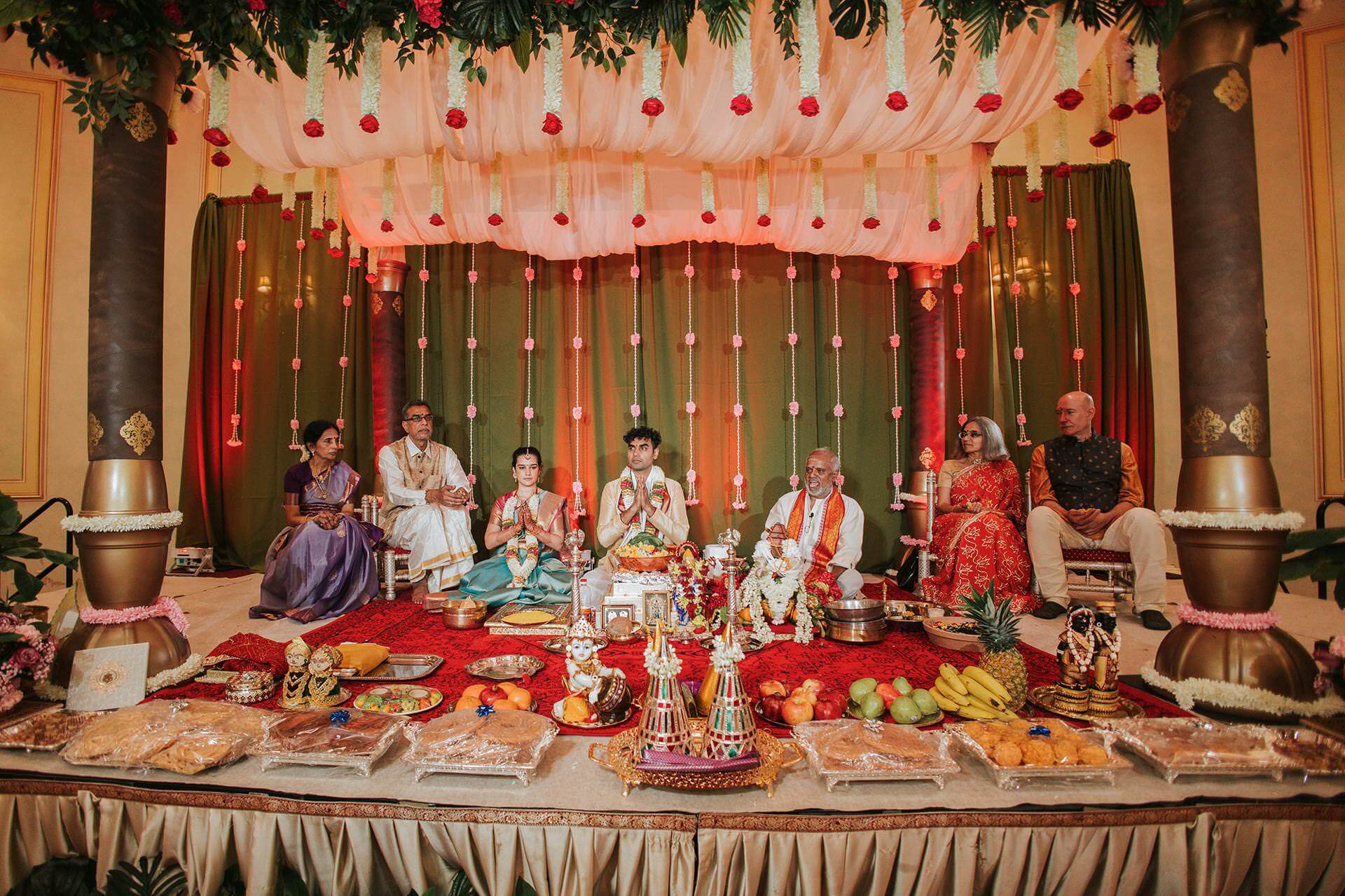
South Asian weddings rooted in Hindu tradition are not simply events. They are transmissions. Everything being observed, recited, and offered on a day like this carries the fingerprints of something much older than the two people at the center of it — a living inheritance, passed forward with intention and care. 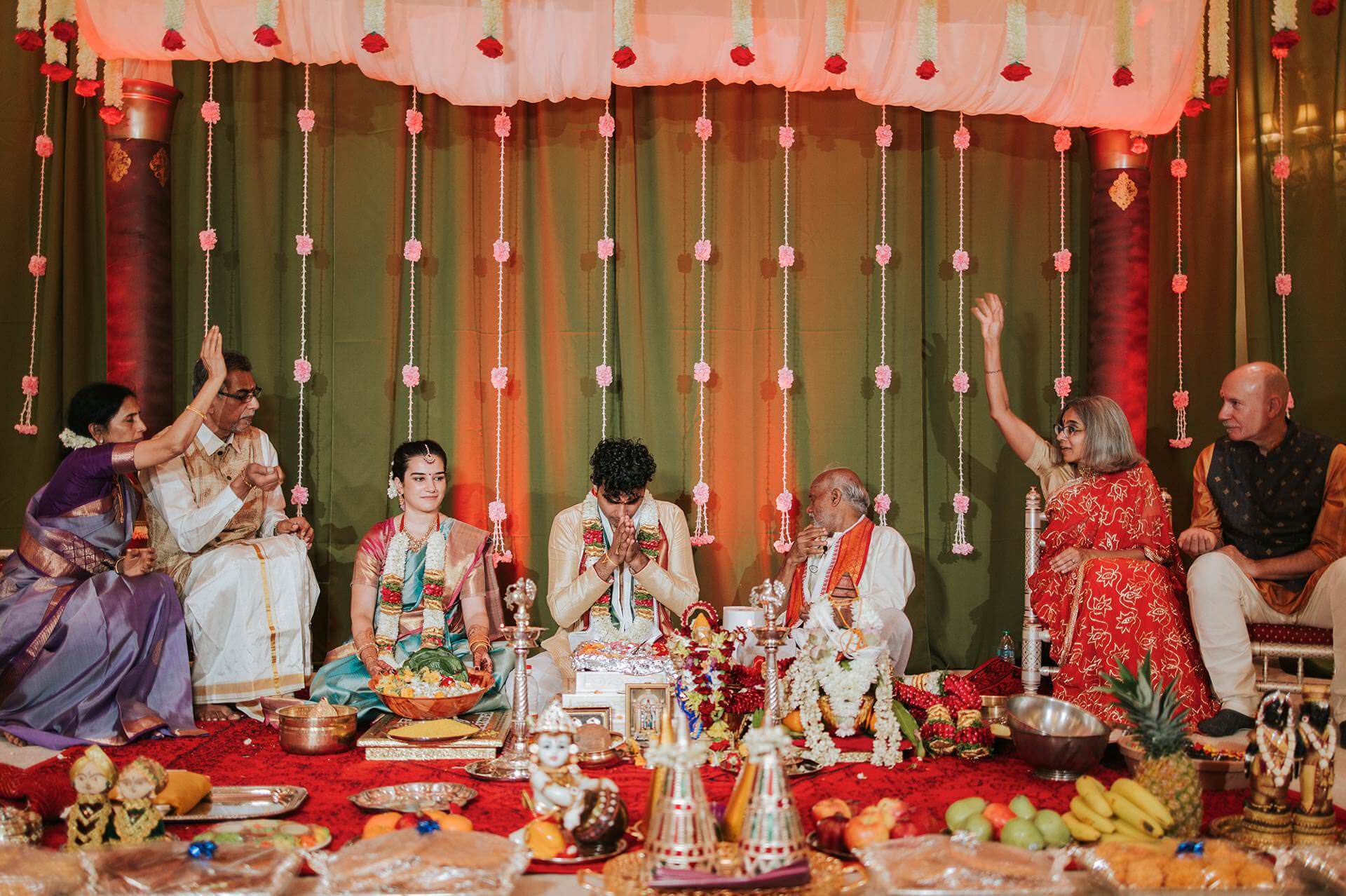
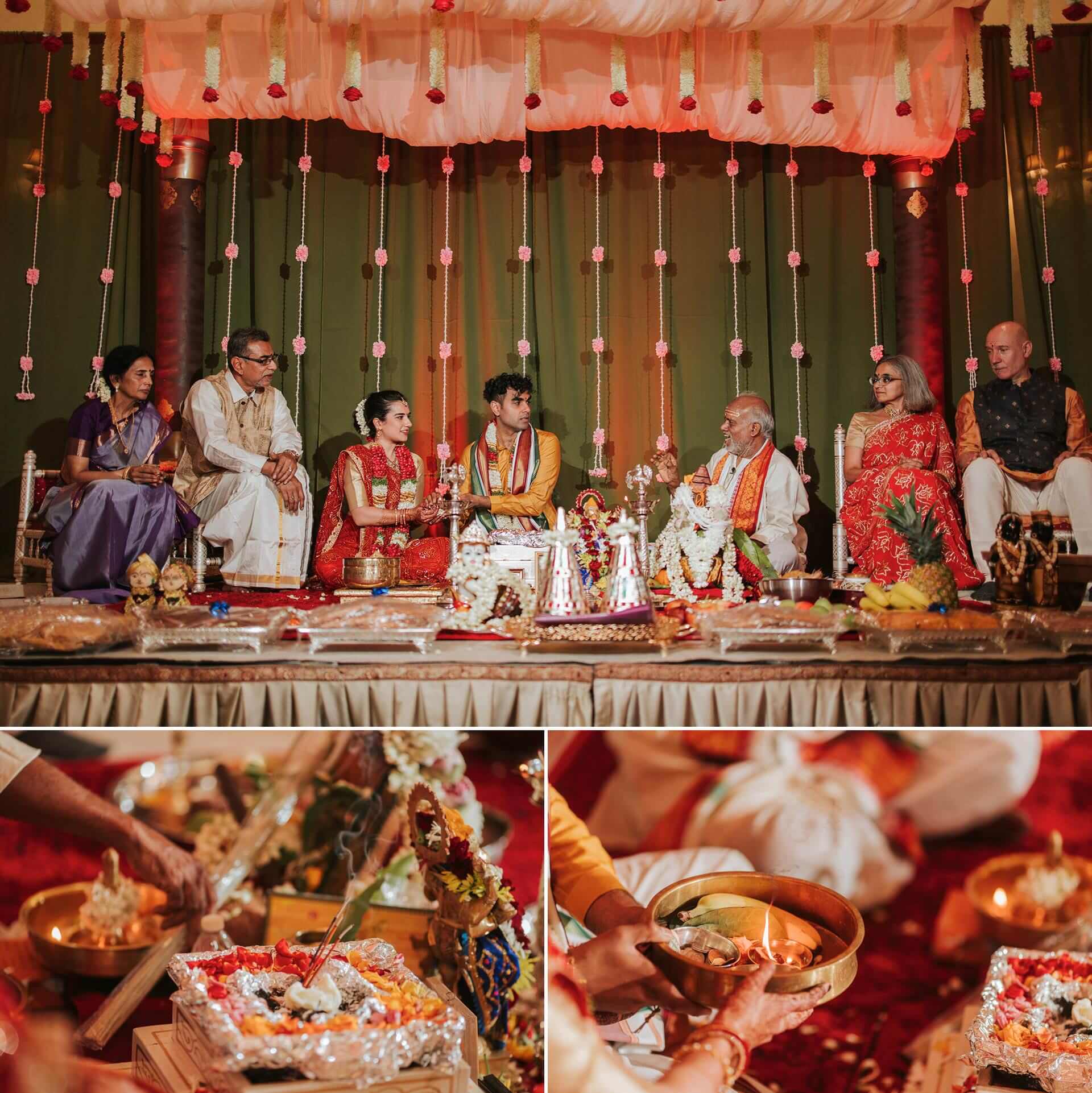
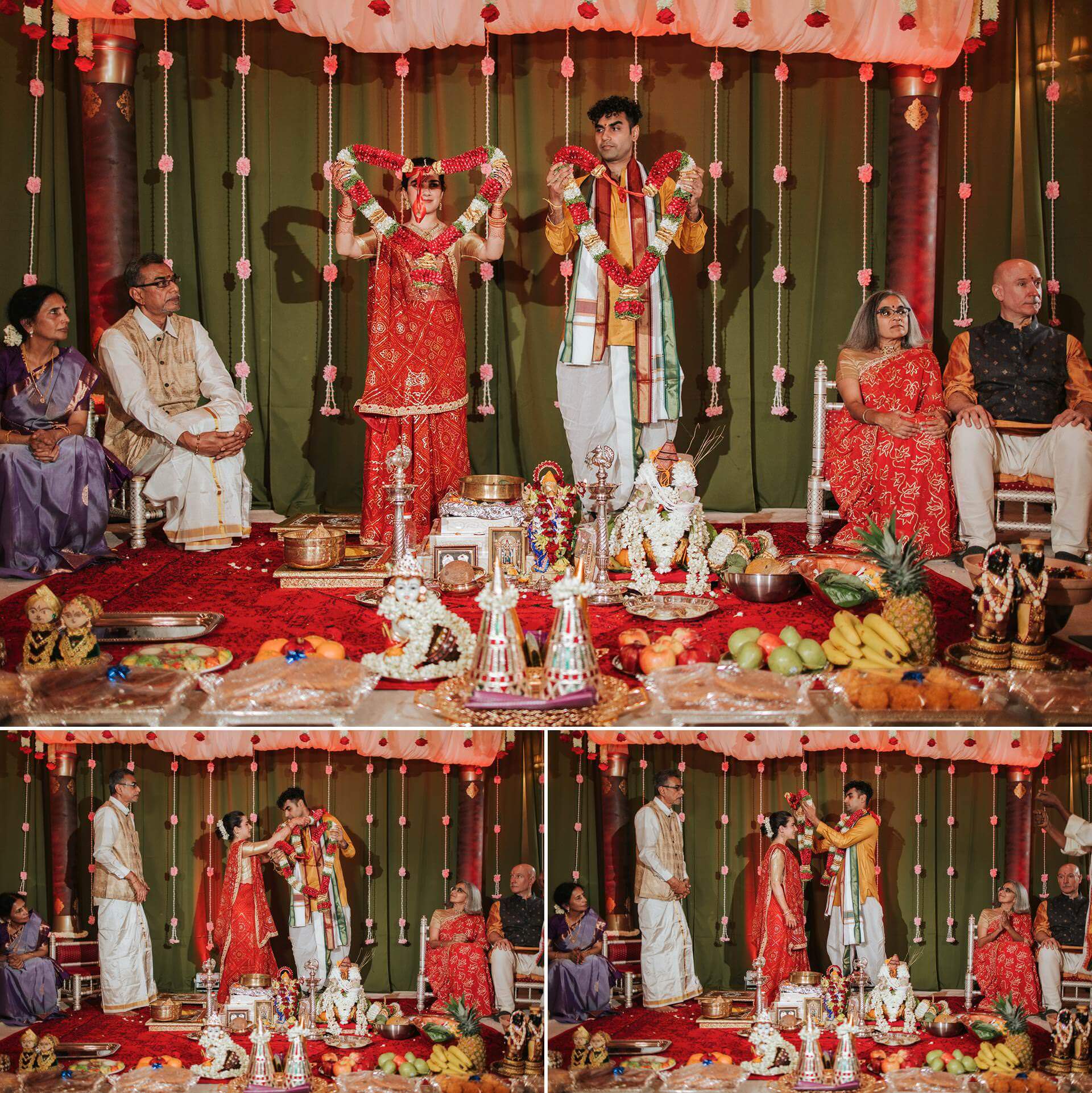
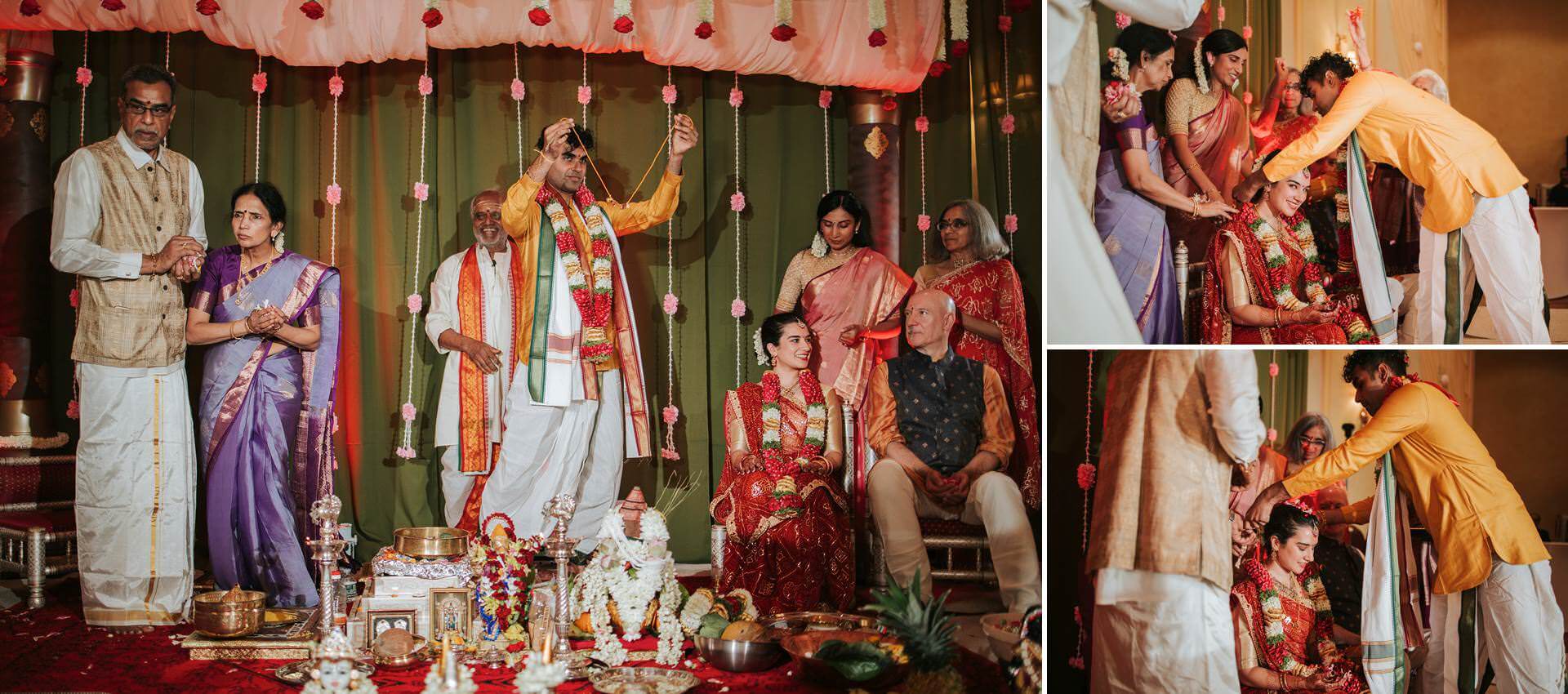
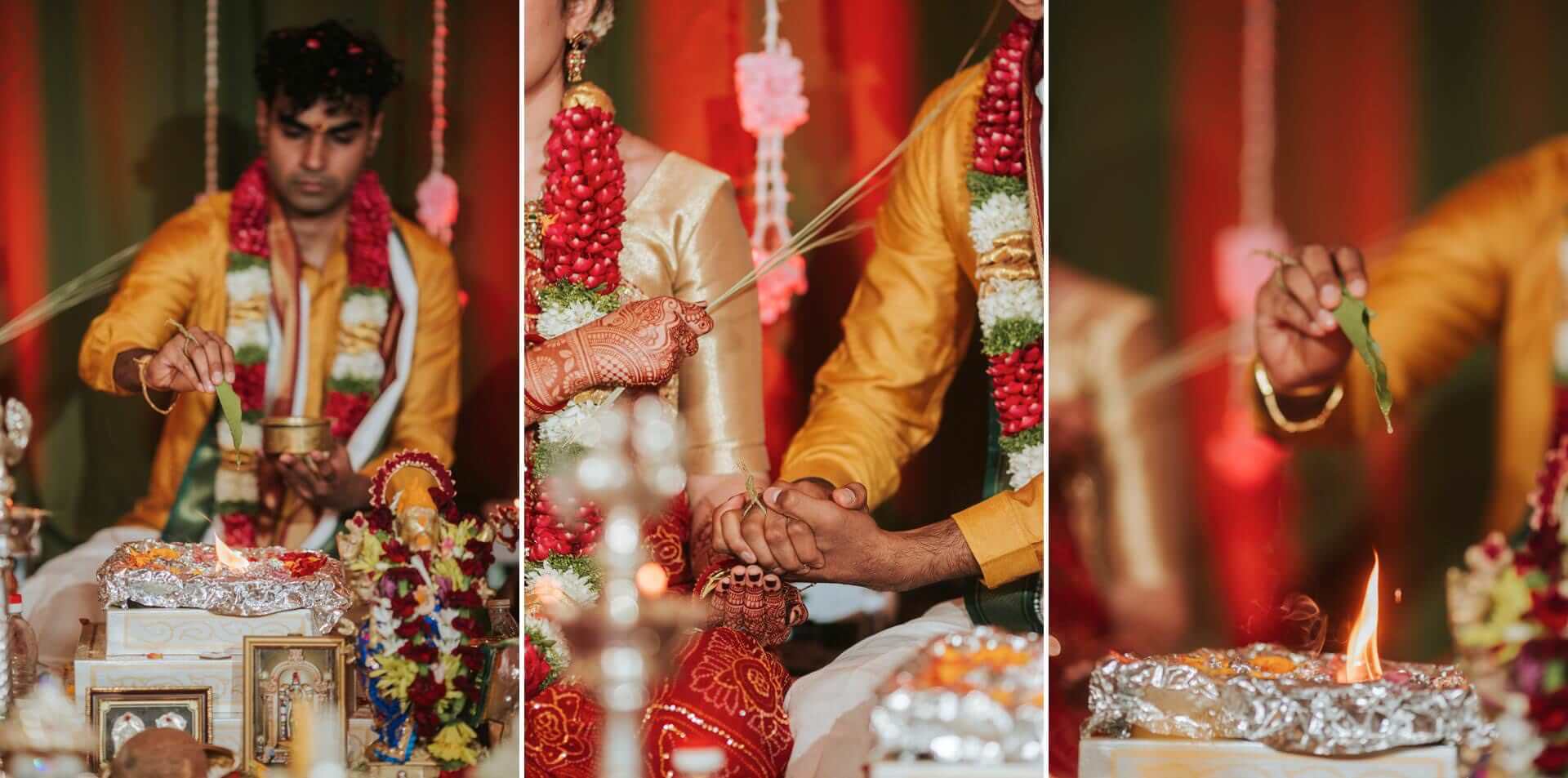
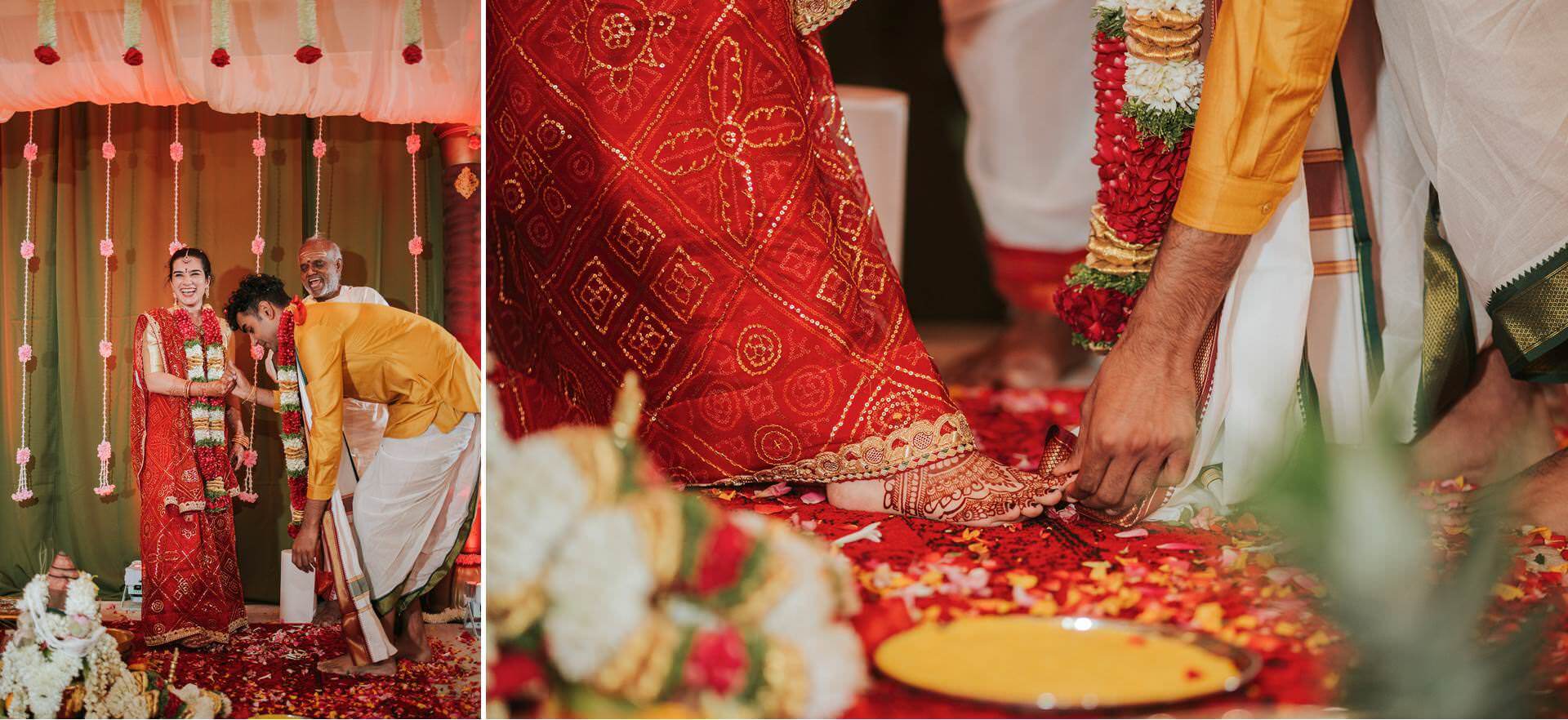
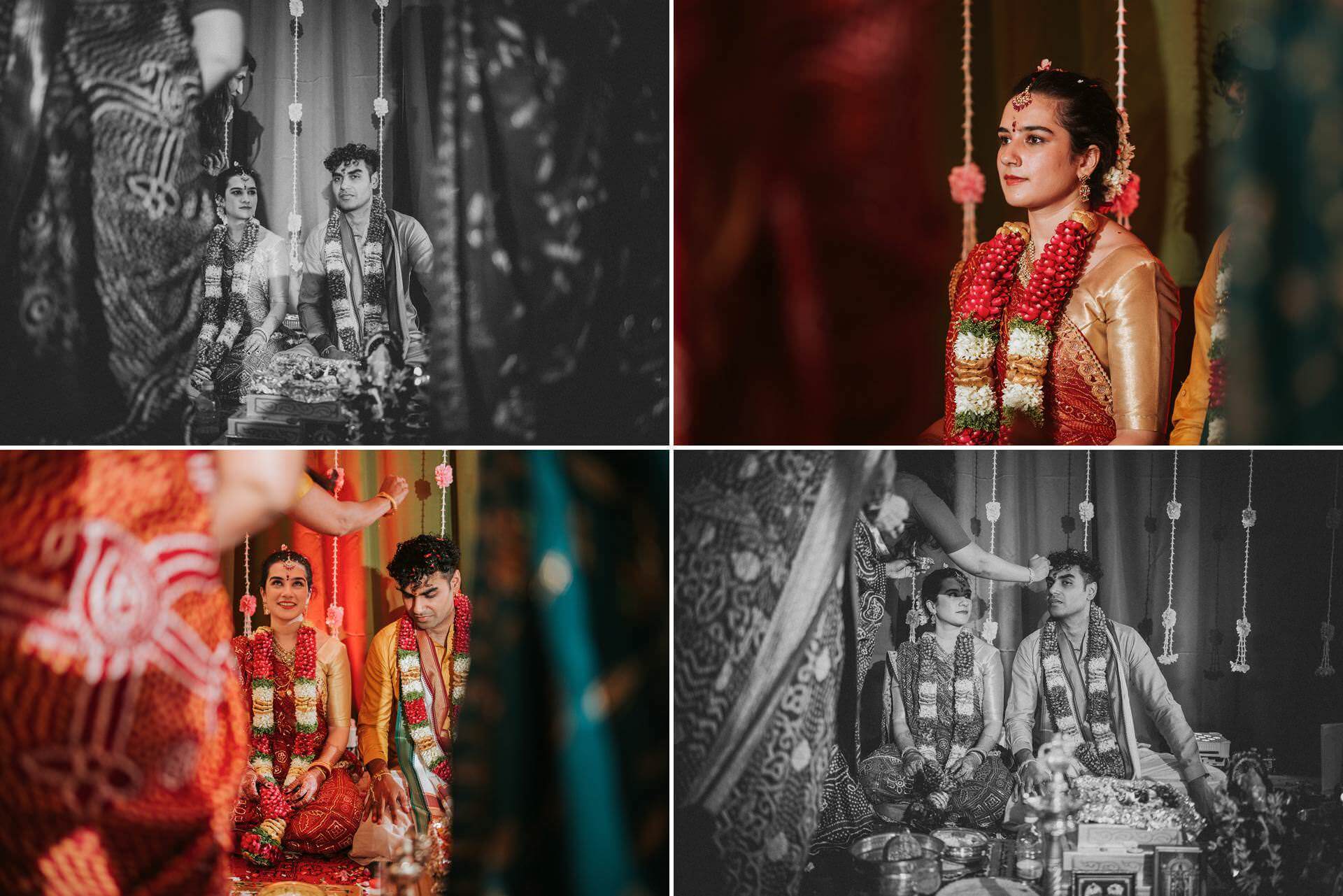
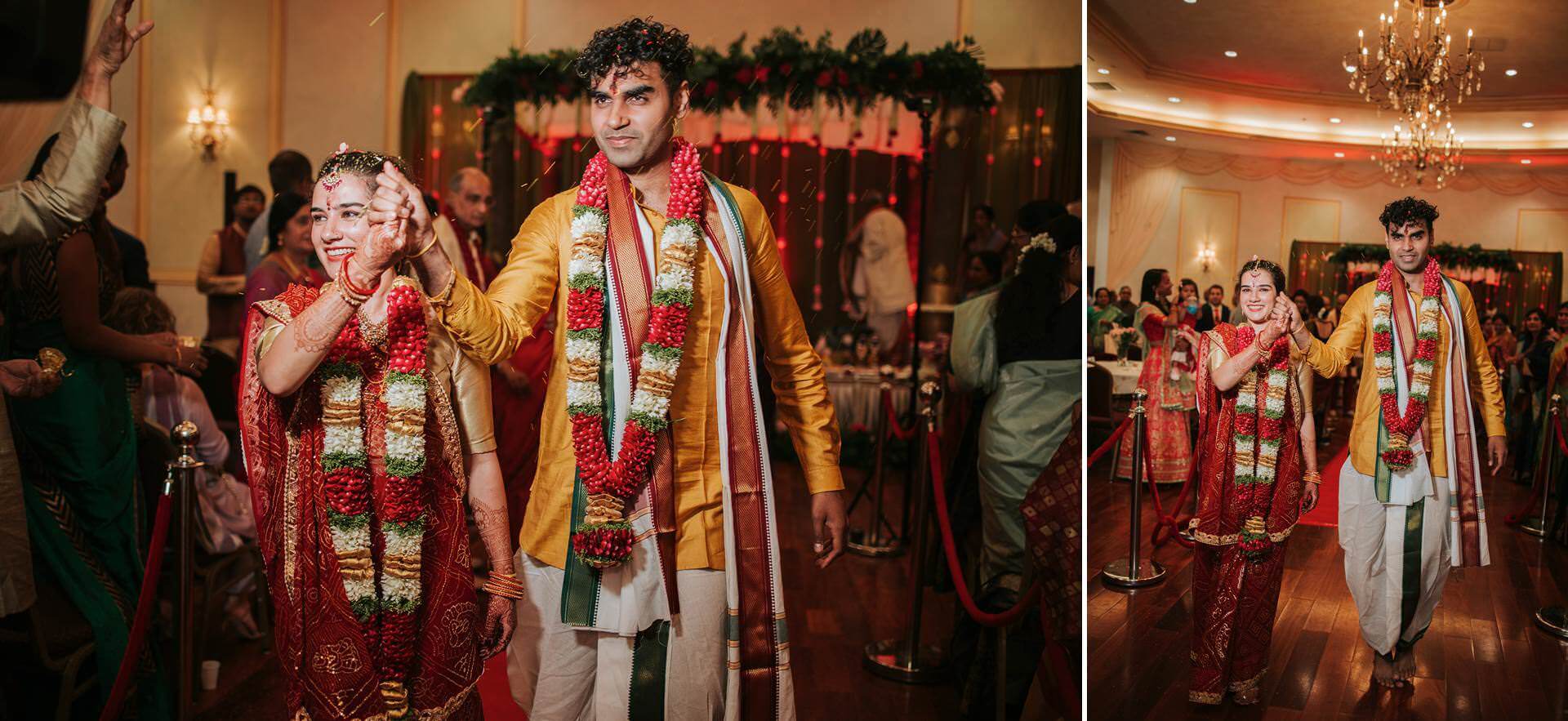
By the time the ceremonies concluded, the temple felt full in a way that had nothing to do with the number of guests. There was a warmth that had accumulated across the hours — through the Sanskrit, the smoke, the flowers, the tears that came quietly and without apology during the saptapadi. Devi and Sid had done something that is harder than it looks: they had been completely present on one of the most observed days of their lives. 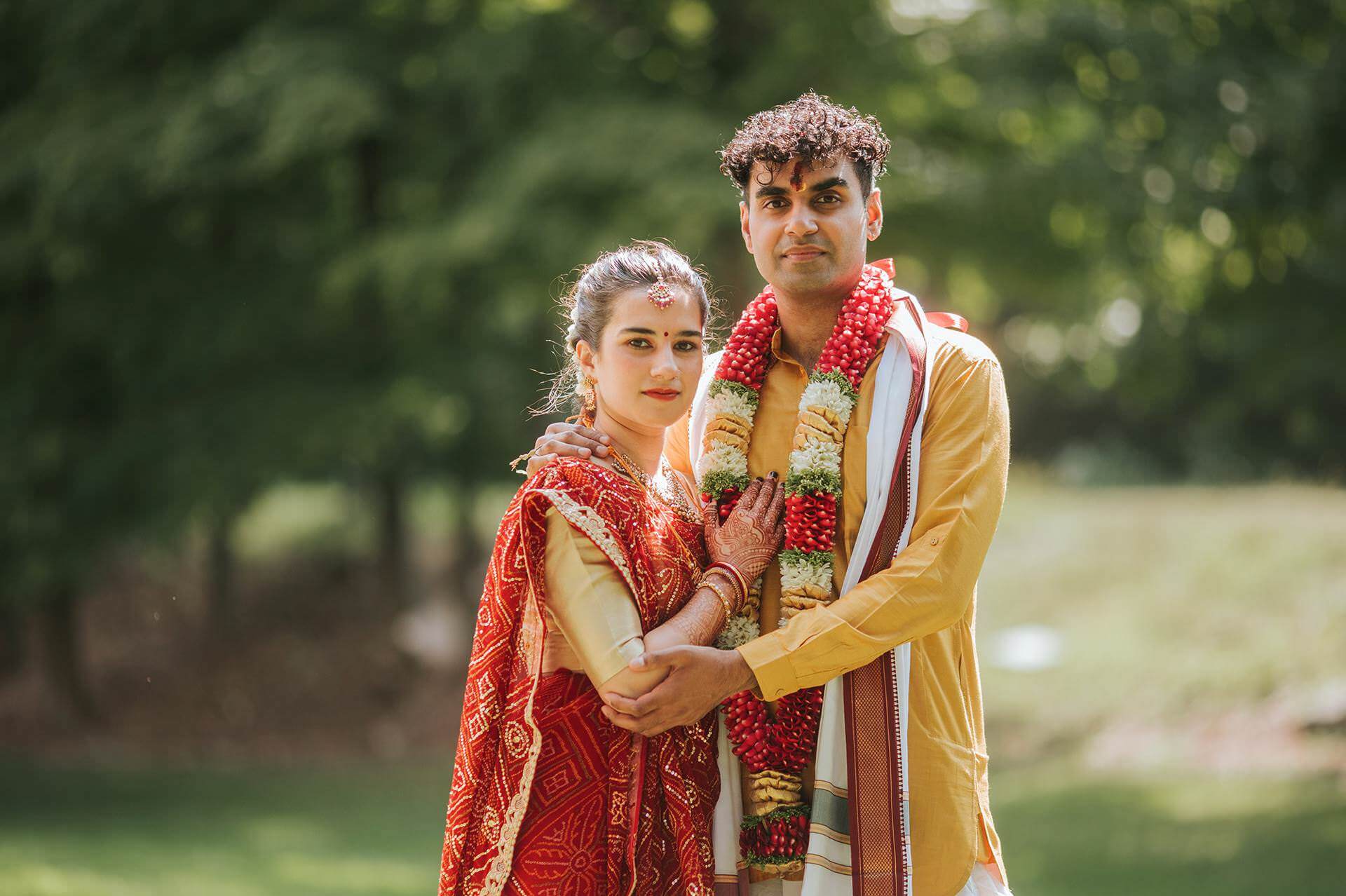
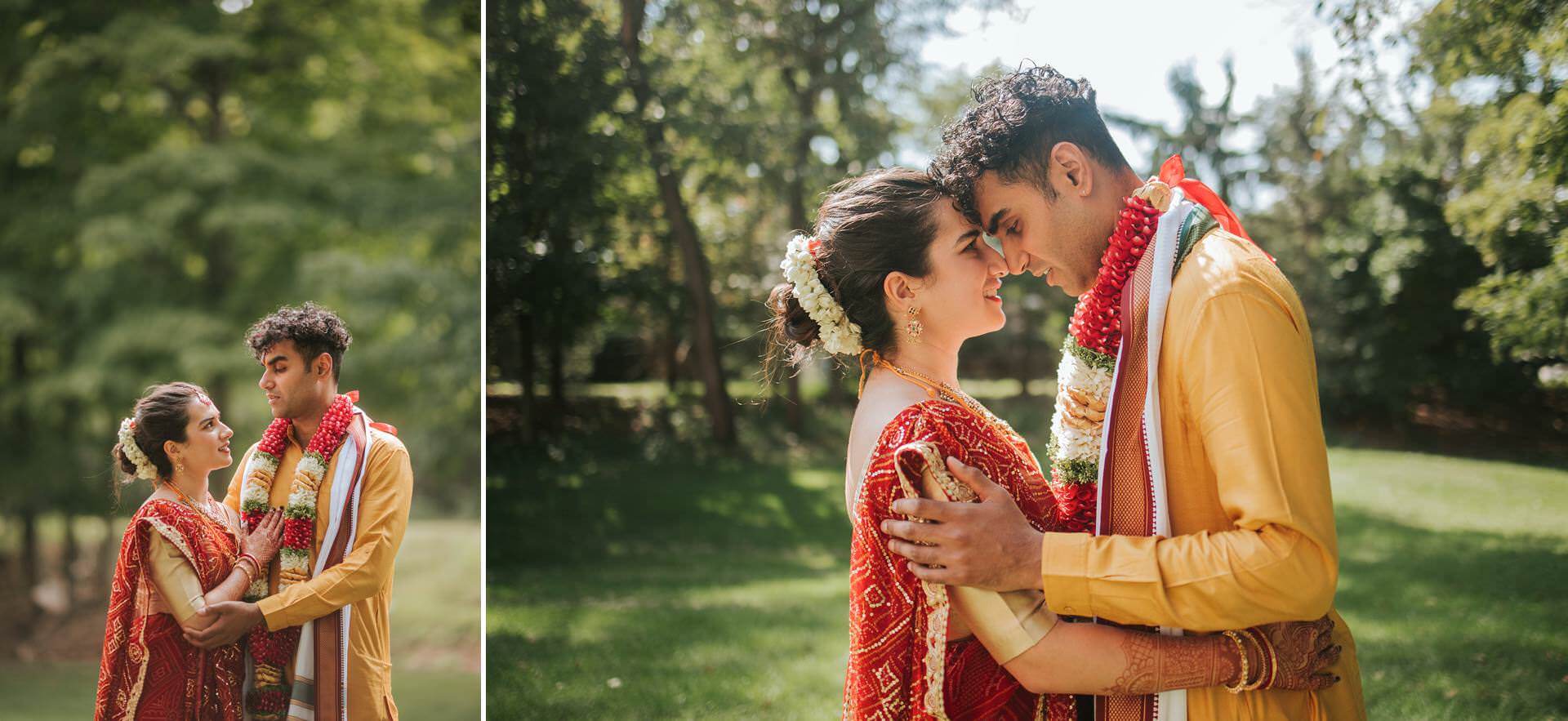
For two people who spend their lives translating feeling into sound — and for a groom I had the quiet honor of knowing long before this day — it made perfect sense.
It was a privilege to preserve it.